Vet Sarah Aldridge on Foods and Habits That Contribute to Pet Obesity
October 12, 2026


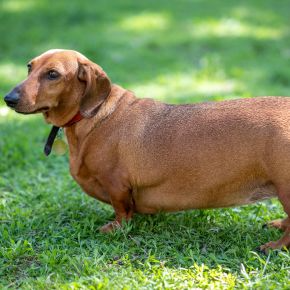
Weight gain in pets isn’t always something that happens in the blink of an eye. At Daventry Vets, our team often encounter pets whose weight has crept up over a long period of time, without their owner really noticing. But what causes this to happen, and how can it be prevented?
In this article, vet Sarah Aldridge unravels the mystery, exploring the dietary culprits that lead to weight gain.
If you’re not sure where your pet’s weight stands, book a check-up today – our nursing team are always happy to help and have a wealth of knowledge.
Book a free weight and body condition assessment with one of our nurses
What causes pet weight gain?
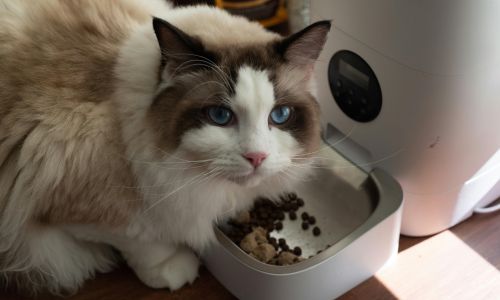
Our vet Sarah explains that weight gain isn’t just down to what your pet is eating, although this plays a big role. In most cases, an otherwise healthy pet is likely to gain weight if they are consuming more energy than they’re using, meaning a sedentary lifestyle, or lack of exercise, can also be a factor.
However, at Daventry Vets we sometimes see dogs and cats who have become overweight despite regular activity levels and a monitored diet. Weight gain can occur due to a medical issues, such as an underactive thyroid in dogs.
If your pet’s weight gain seems unexplained, get in touch right away so we can rule out any health issues.
The culinary culprits
While food isn’t the only factor that leads to weight gain, there are a few sneaky culprits to watch out for – take a look at Sarah’s list below:
- Not weighing food: If you’re eyeballing your pet’s food daily, it can be easy to overestimate. Even just a little extra each day can add up over time – Sarah encourages owners to keep measurements consistent by weighing. The feeding guidelines can be quite generous too. If you change foods it’d always woprth checking your pets weight after a few weeks to see if there has been an increase.
- ‘Healthy’ treats like salmon oil, eggs and peanut butter: These treats may seem healthy, but they’re high in fat, meaning extra calories to consider. If you’re using these then decrease your pets main diet a bit.
- Processed treats and chews: These are often high in fat. Try switching to treats with a lower fat content, such as dehydrated single-ingredient treats.
- Table scraps: Be mindful of allowing your pet to indulge in your food. Many human foods are prepared with fats such as butter, oil and sugar, which can contribute to weight gain over time. Excess salt can also be problematic for pets. We recommend avoiding sugary foods.
- Dental chews: Remember to decrease you pet’s main food if you use these daily.
Sarah shares that awareness is often the first step to seeing progress. If you would like more guidance, or feel something is off with your pet, get in touch today. Our team are always happy to take a look.