Summer/Autumn Rotting Apple Risks for Pets in Northamptonshire
As apples start to drop and ferment around Northamptonshire in late summer and early autumn, your garden might smell sweet – but for pets it can be a sticky trap of sour tummies, stings and unexpected hazards.
Got apple trees or fruit on the ground near you? Keep reading to help your pet steer clear of seasonal trouble. If you’re concerned about a sting or a scavenged snack, don’t hesitate to reach out to Daventry Vets for more advice.
Why rotting apples are troublesome for pets
Fallen fruit may seem harmless, but once it starts to rot, it can pack a punch. Daventry Vets’ Sarah Aldridge explains how as apples break down, they begin to ferment naturally and that’s where the problems start.
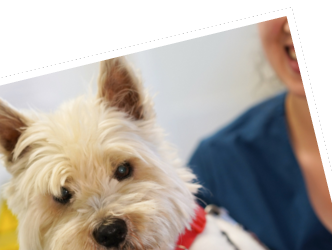
For dogs and cats: A quick bite of fermenting fruit might cause digestive upset, vomiting or diarrhoea. In larger amounts, it can even lead to alcohol poisoning, especially in smaller pets.
For rabbits and guinea pigs: Rotting apples are far too sugary and acidic for their sensitive systems. If your rabbit or guinea pigs’ hutch or outdoor run is near to fruit trees and can’t be moved, Sarah advises owners to regularly check for fallen fruit and immediately remove any to prevent accidental ingestion.
The wasp problem: drunk, stingy and unpredictable
As if the apples weren’t enough trouble, their sugary scent attracts wasps in large numbers. Once they start feeding on the fermenting fruit, the wasps can become a bit tipsy themselves. That means:
- They’re clumsier and slower, so easier for pets to catch
- They’re more aggressive, so more likely to sting when startled
- They hang around low to the ground, right at pet-sniffing level
Veterinary Surgeon Sarah warns that wasp stings in the mouth or throat can be dangerous and painful!
Signs your pet may have eaten something dodgy
Look out for these common symptoms:
- Vomiting or diarrhoea
- Weakness or wobbliness
- Excessive drooling
- Seeming ‘drunk’ or disoriented
- Pawing at the mouth or swelling after a sting
Don’t wait to see if it passes – call our vets in Daventry on 01327 877767 for advice.
Easy ways to protect your pets
- Clear up fallen fruit daily – especially apples, plums and pears
- Keep outdoor runs and play areas away from fruit trees
- Supervise dogs on walks around Northamptonshire – many love a good forage!
- Block access to compost heaps – especially if they include food waste or fermenting fruit
- Know the signs of wasp stings – swelling, licking, or sudden discomfort
Worried about your pet?
Late summer and early autumn bring beautiful sights and smells around Northamptonshire, but they also bring some unexpected hazards. Keeping your garden clear of rotting fruit and your pet away from drunken wasps helps to avoid unplanned trips to the vet. Got a question for our team at Daventry Vets about something your pet has eaten or an insect sting?
Why Late Summer Can Be Itchy Season for Pets
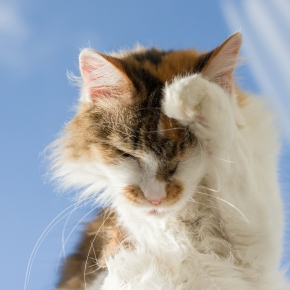
Scratching, nibbling, head shaking… sound familiar? Late August and September are peak times for itchy skin flare-ups in pets, and our team at Daventry Vets are expecting to see an influx of cases.
While many causes are mild, some will need treatment from our vets in Daventry to stop them from becoming serious – or seriously uncomfortable. Book an appointment if you’re concerned for your pet.
So, why do some pets itch more in late summer?
Temperatures in Northamptonshire often have a surge during late August and September, creating the perfect conditions for skin irritation. Here’s why late summer heat can prove tricky:
- Fleas love the heat: Fleas and flea eggs thrive in warm, humid conditions and some dogs and cats are allergic to their bites.
- Grass seeds are lurking: These sharp little nuisances can work their way into the paws, ears and even eyes of pets, causing discomfort or infection.
- Pollen allergies peak: Just like us, pets can have seasonal allergies. Late summer weeds and grasses may be the culprits.
- More time outdoors: Trips to the park and woods around Northamptonshire, or at home in your garden, mean more contact with irritants and insects.
Signs your pet may be struggling
Our team at Daventry Vets advise that if you spot any of these signs, it’s worth booking a check-up:
- Constant scratching or licking
- Red, sore or flaky skin
- Bald patches or thinning fur
- Head shaking or ear scratching
- A bad smell from the coat or skin
How you can help your pet at home
There are a few things pet parents can do to stay ahead of late summer skin problems:
- Use regular, vet-approved flea treatments from Daventry Vets
- Check paws and ears after walks – especially in grassy areas
- Wipe down fur with a damp cloth after outdoor time to remove pollen
- Groom regularly to remove loose hair and keep the coat healthy
When to see the vet
Persistent itching or sore skin can lead to infections or ongoing discomfort, so it’s best not to wait. A check-up with our vets at Daventry Vets can help identify the cause – whether it’s fleas, allergies, grass seeds or something else – get an appointment booked and your pet feeling more comfortable fast.

Moving House with Pets? Top Tips from Daventry Vets
Moving house can be exciting – but it’s also a big upheaval, especially for your pets. With August being the UK’s busiest month for house moves, now is a good time to think ahead and make the transition as smooth as possible for your faithful friends.
Our vets in Daventry have shared tips to help you prepare below, but don’t hesitate to call us for more tailored support. They can also talk to you about whether using a calming pet plug-in at least a month before your big move could help your pet keep calm.
Daventry Vets’ 5 top tips for calm pets during house moves
1. Keep routines consistent
Daventry Vets’ vets reveal that pets feel safest when their day-to-day routine stays the same. In the lead-up to your move, try to feed them, walk them, and settle them for the night at the usual times. Even if boxes are piling up around them, this predictability helps reduce anxiety.
Play sessions are important for reducing anxiety and keeping things normal too; our team encourage you to throw a ball or dangle a feather teaser toy in between the maze of boxes!
2. Prepare a safe travel plan
Whether your pet is travelling in a carrier, crate or car seat harness, our vets in Daventry advise that it’s important make sure they’re comfortable and secure. Dogs and cats may benefit from short trial runs before moving day, especially if they don’t travel often. For smaller pets like rabbits or guinea pigs, make sure carriers are well-ventilated and shaded from heat.
3. Set up a quiet space on arrival
Unpacking can be chaotic. Our vets at Daventry Vets suggest creating a calm, enclosed area for your pet with familiar blankets, toys, and their usual food and water bowls. For cats, it’s usually best to keep them indoors for at least two weeks while they adjust to their new surroundings.
4. Let them explore gradually
Allow your pet to explore the new space at their own pace. Start with one room and slowly open up access as they grow in confidence. Cats, in particular, will appreciate this steady approach – rushing can cause stress or lead them to try to escape.
5. Don’t forget registration and microchips
Once you’re settled, remember to update your pet’s microchip details with your new address. You’ll also want to register with your new local vet or update your details if you’re staying with Daventry Vets.
Need help preparing for the move? Get in touch with our experienced vets in Daventry if you’d like advice tailored to your pet’s needs – and ask about calming products for dogs and cats if your think your pet will be particularly anxious.
Daventry Vets’ Guide to Getting a New Pet
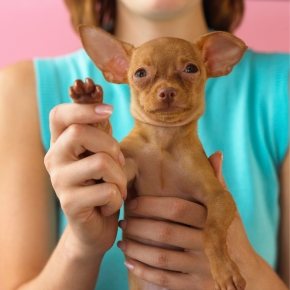
Choosing the right pet is about more than cuteness (though that certainly helps). The best pet for you will fit your lifestyle in, personality and daily routine in Northamptonshire. So, are you a dog person, a cat person, or would another animal be a better match?
Need a second opinion? Our team are always on hand to offer advice, so don’t hesitate to get in touch.
Contact us for advice on new pets
And don’t forget to register your new pet with us at Daventry Vets.
Dogs: Loyal companions who love your company
Dogs tend to suit people who:
- Enjoy outdoor walks around Northamptonshire (in all weathers)
- Are home regularly or can make time for play and attention
- Don’t mind a bit of training and routine
- Have enough space for a lively tail-wagger
If you’re looking for a sociable, active companion and have time to invest in their care, Daventry Vets’ team believe that a dog might be the perfect match.
Cats: Independent but affectionate housemates
Cats are a good fit for those who:
- Prefer a more low-maintenance pet
- Are out during the day but around in the mornings or evenings
- Appreciate quiet companionship
- Live in a smaller space, like a flat (indoor cats only) in Daventry
While some cats are incredibly affectionate, they’re often on their own schedule – perfect if you like your space too.
Could another pet be a better fit?
If dogs and cats don’t quite match your routine, don’t worry as there are plenty of other pets to consider:
- Rabbits or guinea pigs – Daventry Vets’ team say they are great for quieter homes, especially with older children
- Fancy rats – Sociable, clever and fun to interact with
- Hamsters – Independent, nocturnal and good for those with limited space
- Fish or reptiles – Calmer to watch and care for, with different types suited to different experience levels
Some pets are more hands-on than others and each one has unique care needs.
Still not sure?
There’s no one right answer, it’s all about finding a pet that fits into your world and brings you joy. Take your time, ask questions and think about the long term. Once you’ve decided on your furry companion, register your new pet with us at Daventry Vets.
Contact us for tailored advice if you’re considering a new pet. We’re happy to chat about what might suit your lifestyle and help you make the best choice for you, and them.
Contact us for advice on new pets
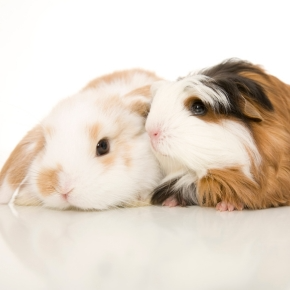
Our Vets in Daventry on Signs your Small Pet is Unwell
Rabbits and guinea pigs may be small, but they have big personalities – once you get to know them. The tricky part is, when they’re feeling poorly, they often keep it to themselves. As prey animals, it’s in their nature to hide signs of weakness, which means the early warning signs can be easy to miss.
Our vets in Daventry have put together a checklist to refer to if you’re concerned about your pet. Regular preventative check-ups will help ease your worries so why not book an appointment today.
Why being observant matters
The sooner you spot a change in your pet’s behaviour or routine, the sooner they can get the help they need. Daventry Vets’ team warn that a delay of even 24 hours can make a big difference with rabbits and guinea pigs. Here are a few subtle signs to watch out for:
Changes in appetite or eating habits
- Eating less, more slowly, or refusing certain foods
- Leaving favourite vegetables or not finishing hay
- Droppings becoming smaller, fewer, or misshapen
Behavioural changes
- Hiding more than usual
- Seeming withdrawn or less interactive
- Less curious or playful than normal
- Aggression or defensiveness (unusual for your pet)
Physical signs
- Sitting hunched up or looking uncomfortable
- Breathing changes (e.g. faster, louder, or laboured)
- A dirty bottom or changes in grooming habits
- Discharge from the eyes or nose
Know what’s normal for your pet
Daventry Vets’ team explain that every rabbit or guinea pig is different, so daily interaction and observation is the best way to learn what’s normal. That way, you’ll be able to spot when something’s not quite right.
Routine grooming, handling and health checks with our vets in Daventry can help you pick up on small problems before they become big ones.
Don’t wait and see
Because small pets can go downhill quickly, it’s always better to get them checked at Daventry Vets, sooner rather than later – especially if they’ve stopped eating or toileting normally.
Book an appointment with our vets in Daventry if you’ve spotted anything unusual. We’re always happy to talk through your concerns, and help you keep your small pets happy and healthy.
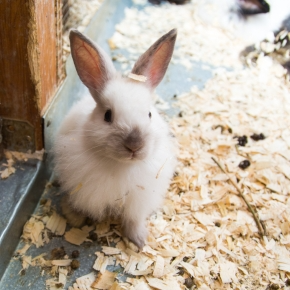
Summer Housing Tips for Small Pets in Northamptonshire
Small pets like rabbits, guinea pigs, hamsters, fancy rats and mice are more sensitive to heat than many people realise. A few simple housing adjustments can help keep them safe and comfortable as temperatures rise this summer in Northamptonshire.
Worried about how your pet is coping in the heat? Ask us for specific advice for your small furry friend, we’re happy to help.
Ask us for tailored advice for your pet
How to keep small pets cool in summer
Keep them out of the sun
Direct sunlight can quickly overheat a hutch or cage, so move enclosures into shaded areas or cover runs with shade with a gazebo or sun sail, make sure you don’t block any ventilation. Indoors, avoid placing cages near sunny windows as a little morning sun can turn into a heat trap by lunchtime.
Let the air flow
Our vets advise that good ventilation is key in warm weather. For outdoor pets, mesh panels improve airflow but just ensure they’re secure from predators in the area. Indoors, open windows, if possible (avoiding strong draughts), or use a fan nearby to help air circulate. Never point a fan directly into the cage.
Cool-down ideas
These tricks from our team in Daventry will help your small pets regulate their body temperature:
- Place a frozen water bottle wrapped in a towel in the hutch or cage
- Spray a fine mist of cool water on your rabbit’s ears to help them cool down if this does not stress them
- Add a flat ceramic tile or marble slab for them to lie on
- Offer fresh, cool drinking water at all times and check bottles haven’t clogged
- Add a couple of ice cubes to their water bowl
Adjust bedding for the season
Our vets at Daventry Veterinary Clinic explain that thick hay and straw bedding may need thinning out in hot weather. Too much insulation can trap heat, so offer lighter bedding or switch to something more breathable like shredded paper or vet bedding. However, remember that temperatures can drop significantly at night, so, leaving a small amount of extra bedding to one side in the cage may be a good option. Remember to change all bedding regularly to avoid problems with flies and flystrike.
Don’t forget to monitor the weather afterall the British weather can be very changable and you may need to change things frequently.
Spotting signs of overheating
Our vets at Daventry Veterinary Clinic advise pet owners to remain alert for signs of heat stress, which can be life-threatening:
- Lethargy or weakness
- Panting or open-mouthed breathing
- Drooling or lying stretched out
- Poor appetite or sudden behaviour changes
If you spot any of these, call our vet practice in Daventry on 01327 877767 urgently.
Every species and every setup are different. What works for one pet might not suit another, so don’t hesitate to reach out to our veterinary team at Daventry Veterinary Clinic if you need help tailoring their care.
Ask us for tailored advice for your pet

Our Vet Sarah Aldridge On Keeping Senior Pets Healthy
April is National Pet Month, a time to celebrate the joy pets bring to our lives. As our beloved companions reach old age, their needs change, but with the right care, they can continue to lead happy, active lives well into their senior years. Our Vet Sarah Aldridge shares below how to support your older pet’s health and wellbeing.
For tailored advice about your ageing pet’s care, contact us to book a senior health check at our vet practice in Daventry.
Senior pets: keeping your older pet healthy and active
Recognising the signs of ageing
Just like us, pets slow down as they age. Daventry Vets’ Vet Sarah explains some common signs of ageing:
- Stiffness or difficulty moving, especially after rest.
- Changes in appetite or weight.
- Reduced energy levels or increased sleep.
- Hearing or vision loss.
- Dental issues, such as bad breath or difficulty eating.
Regular vet check-ups at Daventry Vets help detect age-related conditions early, allowing for the best possible care and management.
Keeping senior pets active and engaged
Exercise remains important for older pets, but Sarah advises that it should be adapted to their abilities. Consider:
- Gentle walks around Daventry for dogs to maintain mobility without overexertion.
- Interactive toys and puzzle feeders to keep their minds active.
- Shorter, more frequent play sessions to suit their energy levels.
- Soft, comfortable bedding to support ageing joints and prevent stiffness.
Cats, too, benefit from regular play and mental stimulation. Encourage movement with wand toys, scratching posts, or climbing structures that are easy to access.
Supporting health through diet and routine care
Senior pets often require diet adjustments to maintain a healthy weight and support joint and organ health. Our senior pet foods at Daventry Vets can help with:
- Joint support through added omega-3s and glucosamine.
- Digestive health with easily digestible ingredients.
- Maintaining muscle mass and energy levels with high-quality protein.
- Regular dental checks, parasite control, and grooming are also essential to keep older pets comfortable and healthy.
As we celebrate National Pet Month, it’s the perfect time to review your pet’s health and lifestyle. If you have questions about your senior pet’s needs, our Vet Sarah Aldridge is here to help.

Find and Eradicate Fleas on Your Pet and in Your Home
Fleas are tiny, irritating parasites that can make life miserable for your pets and invade your home if left unchecked. These pesky insects are more than just a nuisance – they can cause itching, skin irritation, and even transmit diseases.
In this article, our Vet Sarah Aldridge explains how learning to spot and deal with fleas is key to keeping your pet and home flea-free. And if you discover fleas on your pet, we’re always on hand to advise on the best flea treatments.
Talk to us about flea products
How to spot fleas on your pet
Fleas are small, brown, and quick-moving, making them tricky to spot. Here’s some advice from Sarah Aldridge on how to check your pet for fleas and what you can do about them at home:
Look for excessive scratching: Pets with fleas will often scratch or bite at their skin due to the irritation caused by flea bites.
Check for flea dirt: Comb through your pet’s fur, especially around the neck, belly, and tail. Flea dirt (flea faeces) looks like tiny black specks. Place any specks on a damp paper towel – if they turn red, it’s flea dirt.
Inspect the skin: Part your pet’s fur and examine their skin for red bumps or tiny crawling fleas.
What to do if you find fleas on your pet
Use a flea treatment: Sarah advises owners to speak to our vets in Daventry about effective flea treatments, such as spot-on solutions, tablets, or flea collars. These treatments kill fleas and can also help prevent future infestations.
Bathe your pet (if appropriate): Use a vet-recommended flea shampoo to wash your pet. Be cautious with small animals, like rabbits, as they can become stressed by bathing – always consult your vet first – call us on 01327 877767, we’re happy to advise.
Comb regularly: A flea comb with fine teeth can help remove fleas and flea dirt from your pet’s fur. Comb over a white surface to catch and see any fleas more easily.
Eradicating fleas from your home
Fleas don’t just live on your pet – they can quickly infest your home. Our Vet Sarah advises that you follow these steps to break the flea life cycle:
1. Vacuum thoroughly: Focus on carpets, rugs, furniture, and pet bedding. Make sure to get in all the nooks and crannies! Dispose of the vacuum bag or contents immediately to prevent fleas from escaping.
2. Wash bedding and soft furnishings: Wash your pet’s bedding, toys, and any soft items they’ve been in contact with on a hot cycle.
3. Use a household flea spray: Apply a vet-recommended insecticide to carpets, furniture, and corners where fleas may hide. Always follow the instructions carefully and keep pets away until the spray dries.
4. Treat all pets in the home: Fleas can jump between animals, so make sure every pet in your household is treated simultaneously with species-specific vet-recommend treatments – never share products between different types of pets as some of the ingredients may be harmful to them.
Prevention is better than cure
Sarah shares that the best way to deal with fleas is to prevent them in the first place. Regular flea prevention treatments, combined with regular vaccuming of your home, will reduce the risk of an infestation.
If you’re struggling to manage fleas, or need advice on the best flea products for your pet and your home, contact us to book an appointment at our vet practice in Daventry for support.
Talk to us about flea products

Safeguard Your Dog, Cat or Rabbit with These Vaccinations
Keeping your pets healthy and protected is a priority for every pet owner. Daventry Vets’ Sarah Aldridge explains why one of the most important ways to safeguard your dog, cat, or rabbit is through annual vaccinations. These vaccinations not only protect your pet from serious and sometimes fatal diseases but also help prevent outbreaks in the wider pet community. Learn which diseases are covered and more about why vaccinations are so important below.
If your pet is due for their annual vaccination, book an appointment and our vets in Daventry will get them up-to-date.
Book a vaccination appointment
What do vaccinations protect against?
Veterinary Surgeon Sarah Aldridge shares that vaccinations are designed to shield your pet from diseases that can cause severe illness or even death. For dogs, they guard against conditions like canine distemper, parvovirus, and leptospirosis. Cats are protected from diseases such as feline herpesvirus, calicivirus, and feline leukaemia.
Rabbits also need vaccines to protect against myxomatosis and rabbit haemorrhagic disease (R-VHD1 & R-VHD2). These illnesses are highly contagious and often fatal, so regular vaccinations play a critical role in keeping your bunny safe.
Why are annual boosters needed?
It’s important to know that no vaccine provides 100% immunity, but they offer strong protection by helping the immune system recognise and fight off infections more effectively. In some cases, breakthrough infections can occur, especially if the pet was exposed to a high viral or bacterial load, has a weakened immune system, or if their vaccine immunity has waned over time. Regular boosters help maintain protection and reduce the risk of severe illness.
Additionally, annual vet visits to Daventry Vets for vaccinations provide an opportunity to check your pet’s overall health. Our Vet Sarah shares that early detection of issues during these visits can make a big difference in addressing potential concerns before they develop further.
Protecting more than just your pet
Vaccinating your pet doesn’t just protect them – it helps safeguard other animals in Northamptonshire and further afield too. When a high percentage of pets are vaccinated, it reduces the spread of diseases in the community. This concept, known as herd immunity, is especially important for pets who may be too young or unwell to be vaccinated themselves.
What about indoor pets?
Even if your pet stays indoors most of the time, they’re still at risk. Diseases can spread through contact with other animals, contaminated surfaces, or even via humans bringing pathogens home on clothing or shoes. Annual vaccinations provide peace of mind that your pet is covered, no matter their lifestyle.
A lifetime of protection
From playful puppies and kittens to senior companions, annual vaccinations are an important part of lifelong care for your pet. Staying up to date with their vaccines helps keep them healthy and ready for all of life’s adventures with you.
If your pet is due for their vaccinations, don’t delay – book an appointment with our friendly team in Daventry today.
Book a vaccination appointment

Recognise the Symptoms of Pet Allergies with Daventry Vets
As the flowers bloom and the days grow warmer in Northamptonshire, spring brings new energy and beauty to our surroundings. However, just like us, our pets can experience the downside of the season – springtime allergies.
Cats, dogs, and even small furry pets can all be affected by environmental allergens, leading to discomfort and health concerns. Understanding the signs and knowing how to help is key to keeping your pets happy and healthy this season and Daventry Vets is here to educate pet owners on allergy symptoms to look out for. If you suspect your pet may have an allergy, then contact us for further guidance.
How spring-time allergies affect pets
You might be wondering, “Does my pet have hay fever?”
Pets can develop allergies to pollen, mould, grass, and other environmental triggers common in spring. These allergens can be airborne, causing issues like sneezing and itchy skin, or they can be picked up directly from contact with plants or surfaces.
Dogs and cats are particularly susceptible to airborne allergens, which may irritate their skin (atopic dermatitis) or respiratory system. For small furry pets, like guinea pigs and rabbits, dust or pollen in their bedding or outdoor enclosures can trigger sneezing, watery eyes, and skin irritation. Daventry Vets’ veterinary team share symptoms to look out for below.
Signs of spring allergies in pets
It’s important to recognise the symptoms of allergies so you can act quickly. Common signs to look out for include:
In cats and dogs:
- Excessive scratching, chewing, or licking
- Red, inflamed, or sore patches of skin
- Sneezing, coughing, or nasal discharge
- Watery or irritated eyes
- Hair loss or skin infections caused by excessive scratching
In small furry pets:
- Sneezing or wheezing
- Red or watery eyes
- Skin irritation, especially around the face or ears
- Reluctance to move or groom, which can indicate discomfort
How to manage spring allergies
If you suspect your pet has allergies, booking an appointment at our vet practice in Daventry is the best first step. A proper diagnosis can help rule out other conditions and identify the allergen triggers. Here are some steps to help manage allergies:
Environmental management:
Keep your home clean by vacuuming regularly and washing pet bedding to reduce allergens. For outdoor pets, ensure enclosures are cleaned frequently and away from high-pollen areas.
Grooming:
Regular brushing can help remove pollen from your pet’s coat. For dogs, wiping their paws after walks can minimise exposure to irritants.
Medication and treatments:
Your vet may recommend antihistamines, soothing shampoos, or other treatments to relieve symptoms. In some cases, allergy testing or specialised diets may be advised. Never give your pet human antihistamines without your vet’s instructions as some brands may contain toxic ingredients and the dosage must be tailored to the individual pet, if recommended for them.
Bedding and materials:
Choose low-dust bedding for small pets and avoid hay or straw that might aggravate their symptoms.
When to seek help
Our vets in Daventry advise that allergy symptoms can escalate if untreated, leading to infections or persistent discomfort. If your pet shows any signs of distress or worsening symptoms, make sure you contact our team at Daventry Vets as soon as possible.
By staying vigilant and proactive, you can help your pets enjoy the spring season in Northamptonshire as much as you do – free from the itch and irritation of allergies!