Should Pets Drink More in Summer? Advice from Daventry Vets
As temperatures rise this month in Northamptonshire, keeping your pet hydrated is especially important, as pets can lose fluids quickly. For pets with certain health conditions such as kidney disease it is essential.
At Daventry Vets, many owners ask us how to tell if their pet is drinking enough. That’s why our veterinary team in Daventry have put together practical advice to help you recognise when your pet needs more water so you can keep them hydrated this summer.
Worried about your pet’s fluid levels? Book a check-up today
Do pets need more water in summer?
Yes – pets lose more fluid through panting, grooming and activity due to the heat and for some pets there are no longer any puddles which they may like to drink from.
Our veterinary team in Daventry explain that dogs may pant more to cool down, whereas cats and small pets lose heat more passively through their skin and fur, their breathing, and the surrounding air – especially when it’s cool or moving. Some pets will naturally drink more, but others may not, which is why monitoring intake is important.
Diet also plays a role. Pets fed mainly dry food will generally need to drink more compared to those eating wet food or fresh produce, because dry diets contain very little moisture.
As a general guide, many pets will regulate their own intake if fresh water is always available. However, there are some useful ways to help.
How to keep your pet hydrated in summer
These simple steps from Daventry Vets can help maintain good pet hydration in summer, with a few small adjustments depending on your pet:
Provide constant access to water
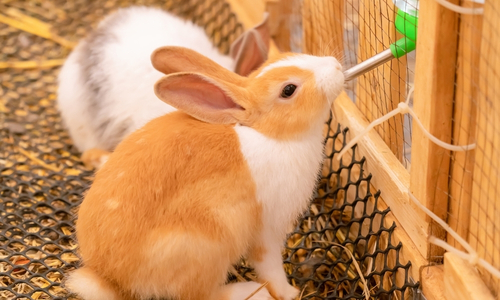
Water should always be available. In the Northamptonshire hot weather, pets may drink little and often, so even short periods without access can increase the risk of dehydration. For small pets, this is especially important as consistent hydration supports digestion and gut health.
Change water regularly
Changing water frequently helps keep it clean, cool and free from debris. Your pet is unlikely to be as interested in stale water, so regular refreshing can encourage better drinking habits. Bottles for small pets should also be checked to ensure they are flowing properly and at the correct height. Our team in Daventry are happy to advise on the best setup for your pet.
Offer multiple and varied water sources around the home
Placing more than one bowl or bottle in different areas encourages drinking. Dogs and cats may be more likely to drink if water is nearby where they rest, while small pets benefit from backup sources in case one becomes empty or blocked.
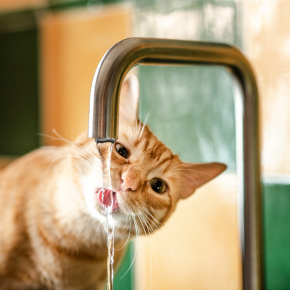
Cats can often have preferred sources of water, bowls, water fountains, taps. For some the size of bowl or material it’s made of matter.
For a more in deapth read iCatCare.org have lots of information and tips.
Keep water in cool, shaded areas
For outdoor pets or hutches, positioning water in shaded areas is particularly important.
Add wet food for cats & dogs, and water rich vegetables for rabbits and guinea pigs.
Incorporating moisture through diet can support hydration. Wet food contains a high percentage of water and can contribute to fluid intake. You can also add a small amount of water or pet-safe broth to dry food. This works really well for dogs, as usual our feline friends can be more fussy. It’s often better to offer them broth which you can buy or use the water from poaching fish or chicken ( remember not to use seasoning)
For rabbits and guinea pigs feeding water-rich greens and vegetables can help. Remember to introduce new things slowly to avoid gastrointestinal upsets.
When should I be concerned?
While some variation in drinking is normal, if your pet is not drinking, seems unwell, or shows changes in behaviour, it’s best to seek advice promptly.
Smaller pets can deteriorate more quickly if hydration levels drop. If your rabbit, guinea pig or small furry has stopped drinking entirely, <a href="01327 877767“>contact us immediately.
If you’re concerned about your pet’s water intake or overall health, book an appointment with our team in Daventry today.
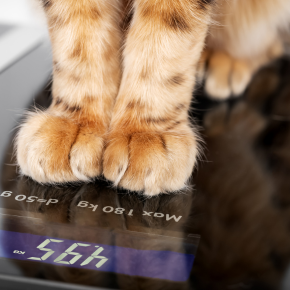
Daventry Vets on Identifying Weight Loss Barriers in Pets
If your pet isn’t losing weight despite longer walks and fewer treats, it’s easy to assume they’re simply not active enough. The truth is more nuanced. While overfeeding remains the leading cause of obesity, certain medical conditions can act as metabolic blockers, making weight loss frustratingly difficult.
If your pet is maintaining a healthy diet but still gaining weight, book a weight assessment with our nursing team at Daventry Vets to find out what’s really standing in their way.
Identifying barriers to weight loss in pets: when exercise isn’t enough
The ‘lazy pet’ myth
Many owners feel disheartened when exercise alone doesn’t shift the scales. In most UK cases, weight gain is linked to a mismatch between calories in and energy out, but occasionally, underlying health conditions are responsible. Identifying which category your pet falls into is crucial and our vets in Daventry are here to help.
Key metabolic blockers
- Hypothyroidism (dogs): Often described as a “metabolic brake,” this condition slows metabolism, causing lethargy and weight gain even in active breeds.
- Osteoarthritis: Pain may reduce movement, creating a cycle of inactivity and further weight gain.
- Metabolic Syndrome (cats): Increasingly recognised in 2026, especially in indoor cats, where insulin resistance develops even in younger felines.
The silent signs
Call us on 01327 877767 to get advice from our vets in Daventry if you notice:
- Symmetrical hair loss or skin changes
- Excessive thirst or urination
- Heat intolerance (seeking cold floors)
- Lethargy despite adequate exercise
The bigger picture: the UK obesity epidemic
According to the 2024/2025 UK Pet Food Obesity Report and PDSA PAW data, around 50% of dogs and 43% of cats in the UK are overweight. Yet 77% of owners believe their pet is a healthy weight, highlighting a significant perception gap. Excess weight can shorten lifespan by up to two years and increases the risk of arthritis, diabetes and heart disease.
In reality, 90–95% of cases are due to overfeeding, not medical disease. Our nurses at Daventry Vets explain that common pitfalls include:
- The Treat Trap: Food used as affection –swap for praise or play.
- Inaccurate Portions: 18% of owners ‘eyeball’ meals. Use a digital scale.
- Human Scraps: 60% admit feeding leftovers that are too calorie-dense for pets.
Assessing shape, not just scale
Daventry Vets’ nursing team use a Body Condition Score (BCS) rather than weight alone. At home, try to:
- Feel the ribs easily without pressing hard.
- Feel the top bit of the spine without pressing hard.
- Look for a visible waist from above.
- Check for an upward tummy tuck from the side.
- Follow the links below for more detail and pictures.
Dog body condition score from the World Small Animal Veterinary Association
Cat body condition score from the World Small Animal Veterinary Association
Is it medical or meals? For most pets, the solution lies in portion control, but for some, targeted treatment from our vets in Daventry is needed.
Book a weight assessment with our nursing team at Daventry Vets to identify barriers, close the perception gap and create a safe, realistic plan for your pet’s long-term health.
Heatstroke in Pets: Signs, Symptoms and What to Do
At last… June brings us longer days and warmer weather, perfect for dog walks around Northamptonshire & Warwickshire, and garden adventures with your pet. As temperatures climb, so does the risk of heatstroke, and it can escalate faster than many owners realise.
Our veterinary team at Daventry Vets will walk you through the early warning signs of heatstroke in dogs, cats, rabbits and small pets, and what to do if you’re concerned.
If you suspect your pet may be suffering from heatstroke, don’t wait, call us immediately and press option 1 for an emergency 01327 877767.
Signs and symptoms of heatstroke in pets
Our vets at Daventry Vets explain that the early warning signs of heatstroke can vary between species, but there are key indicators every owner should know:
Dogs and cats
- Excessive panting or difficulty breathing: heavy, laboured breathing that seems out of proportion to their activity level.
- Drooling more than usual: excessive saliva.
- Lethargy or weakness: your pet seems unusually tired, confused or unsteady on their feet.
- Increased heart rate: a fast pulse could signal overheating.
- Vomiting or diarrhoea: digestive upset can occur as the body struggles to regulate temperature.
- Dark brick red or very pale gums
- Pinprick red dots on the gums these are called petechial haemorrhages
Rabbits and small pets
Rabbits and small pets are among the most vulnerable in warm weather because they can’t pant or sweat effectively, yet they’re often the most overlooked.
- Rapid or shallow breathing: breathing changes are a serious early sign.
- Lethargy and flopping: a pet lying flat and unresponsive in the heat requires immediate attention.
- Wet nose or ears: some small pets may dampen themselves to cool down.
- Loss of appetite: small pets who suddenly stop eating in warm weather may be struggling with the heat.
What to do if you think your pet has heatstroke
If you suspect heatstroke, stay calm but act quickly. Our vets in Daventry recommend the following steps while you phone your vets.
- Wet your pet with cold water while protecting their mouth, nose and eyes. It is a myth that you shouldn’t use cold water. If you are using a hose pipe make sure you run off any warm/hot water in the hose. if you’re putting them in a paddling pool, sink, bath or stream then make sure you keep their head out of the water.
- Open windows and doors or switch on a fan or air conditioning to create a breeze.
- Place them on top of a cold wet towel rather than wrapping them in it as this will just insulate and warm them more.
- Our vets at Daventry Vets stress that even if your pet seems to be recovering, always call us straight away.
“WET YOUR PET AND OFF TO THE VET” It could save their life. Open your car windows and put the air conditioning on.
While the idea of heatstroke can be scary, knowing the signs and what to do could make all the difference for your pet this summer in Northamptonshire. If you’d like peace of mind, book a summer health check with our team today.
Myth busting around treating heatstroke
- Don’t use cold water it will cause shock. There is no evidence that this is the case. The sooner we can cool them the better chance we have of saving their lives.
- Give them lemon juice. This is positively dangerous and could go into their lungs.
- Give them ice cubes. This will not actually cool them it is however a fun thing for your dog to eat ice cubes and stuffed frozen kongs in warm weather.
- Wrap them in a cold wet towel. This will insulate them rather than cool them.
- It is just hot cars I need to worry about. Dogs can easily overheat when being exercised. Small pets can overheat it hutches in the sun. Cats can get trapped in a shed.
Ageing Gracefully: Weight & Mobility Tips from Daventry Vets
It’s common to hear, “they’re just slowing down because they’re getting older”. But while ageing in pets may bring natural changes – significant stiffness, weight gain and reduced activity are not simply inevitable. In many cases, they’re linked and manageable.
In the article below, our team at Daventry Vets have prepared a guide on mobility changes you can expect to see in your older pet as well as ways of keeping them mobile later in life. Book a senior pet assessment and our vets in Daventry will examine their weight and provide a tailored management plan.
Keeping senior pets mobile and lean
As pets age, joint wear and tear can lead to osteoarthritis. At the same time, excess body fat doesn’t just add physical strain, it actively fuels inflammation. Fat tissue produces inflammatory chemicals (cytokines) that can worsen arthritis, increasing discomfort and reducing mobility. The result is a cycle: weight gain leads to joint pain, joint pain leads to inactivity, and inactivity leads to further weight gain.
The good news? Our vets advise that managing weight is one of the most effective ways to reduce arthritis pain and improve mobility in senior pets. A leaner pet is very often a more comfortable pet.
Life quality, not just life length
When we talk about senior care, we focus on life quality, not just life length. Maintaining a healthy Body Condition Score (BCS) is central to this. You should be able to feel your pet’s ribs with gentle pressure, see a defined waist from above and notice a slight abdominal tuck from the side. Even small amounts of excess weight can significantly increase strain on ageing joints.
Regular weight monitoring allows us to make small adjustments before problems escalate so make sure you book regular weight checks with our veterinary nurses in Daventry.
Supporting comfortable movement
Our veterinary team at Daventry Vets explain that staying active is vital, and exercise should be adapted, not avoided. For dogs:
- Opt for shorter, more frequent walks rather than one long outing.
- Choose softer ground where possible.
- Gentle, controlled lead walks are often better than high-impact chasing games.
For cats:
- Encourage short play sessions using fishing-rod toys.
- Provide ramps or steps to favourite resting spots.
- Use low-entry litter trays for easy access.
For both:
- Add non-slip rugs on hard flooring.
- Ensure they can easily get in and out of bed without jumping
- Consider raised food and water bowls if recommended.
- Keep resting areas warm and well-padded.
Our vets in Daventry explain that these small environmental tweaks can make a significant difference in confidence and comfort, helping senior pets remain active and happy companions well into their later years. Weight management, appropriate exercise and early arthritis support are powerful tools in preserving mobility and enjoyment of daily life.
If you’re unsure about your pet’s weight or mobility, we’re here to help pets across Daventry, Rugby and Northampton. Book a senior pet weight assessment to review their Body Condition Score, discuss joint support options, and create a personalised plan to keep them lean, mobile and comfortable.
Looking for more advice on caring for an ageing pet? Be sure to check our other articles for tips from our team at Daventry Vets.
Happy Vet Visits: Working Together With You
For some pets, a trip to our veterinary practice in Daventry can feel overwhelming. New smells, unfamiliar sounds and travel in the car can all trigger anxiety. The good news is that vet visits don’t have to be stressful, and creating a calmer experience is something we work on together.
At Daventry Vets, we prioritise a low-stress environment. Wherever possible, we provide pet-specific seating areas to prevent sensory overload and minimise close contact with other animals. Below, our vets in Daventry have also put together some tips for calming your pet before their visit. Have a read and don’t hesitate to contact us for more advice.
Ask us for tailored advice for nervous pets
Happy vet visits: how we work together
Our team at Daventry Vets are trained in gentle handling techniques and using positive reinforcement throughout the examination, allowing pets time to settle. We can also use calming pheromone diffusers, such as Feliway for cats and Adaptil for dogs, to help reduce anxiety in waiting and consulting areas.
Why does this matter? Because a relaxed pet isn’t just happier — they’re easier to examine thoroughly and accurately. Reduced stress means more reliable heart rates, better abdominal palpation and a more positive association with future visits. That leads to better preventative care from our vets and earlier detection of problems.
There’s plenty you can do at home to help too.
Pre-visit checklist
The ‘practice run’
Help your pet feel comfortable with their carrier, crate or car harness well before your appointment at Daventry Vets:
- Leave carriers out at home with cosy bedding, toys and even some treats inside.
- Reward your pet for calmly going in and out.
- Short, positive car journeys that don’t end at the vet can also reduce travel anxiety.
Touch training
In a relaxed setting, gently handle your pet’s paws, ears and mouth, rewarding calm behaviour with praise or treats. This helps desensitise them to the type of gentle handling they’ll experience during an examination by our vets in Daventry.
The hunger factor
If appropriate, bring your pet’s favourite high value treats to your appointment. Special rewards they don’t usually get can help build positive associations with the clinic environment.
If your pet is particularly nervous, we can help further. We offer ‘happy visits’ – short, pressure-free trips to our Daventry veterinary practice – where pets can explore, receive treats and leave without a medical procedure.
Ask us about tailored advice for nervous pets or book a pre-visit chat with one of our nurses to create a bespoke plan. Working together, we can make vet visits a calmer, more positive experience for everyone.
Contact us for tailored advice
Get Your Pet Ready for Their Springtime Adventures
With the days growing longer and the weather finally turning, most pets are naturally eager to get back outside but before the fun really begins, it’s worth making sure your pet’s body is ready to keep up.
Read the article below, from our vet Sarah Aldridge, on how to help your pet enjoy the season comfortably, confidently and at their best. Then, book a wellness check with our vets at Daventry Vets.
Plus, download our spring pet tips for extra advice!
Get your pet fit for spring: why a wellness check matters
Over the winter months in Northamptonshire, many UK pets quietly put on a little extra weight or become stiffer, particularly during the cold, damp days of January and February. Older pets may move more slowly, while younger ones can mask small aches or niggles that only become obvious once activity levels increase. Sarah explains that left unchecked, these minor issues can turn into bigger problems and put a dampener on your spring plans.
A spring wellness check allows our vets in Daventry to assess your pet’s overall health, focusing on areas that matter most as exercise increases. We’ll look at heart health, joint mobility and body condition, making sure your pet is comfortable, fit and ready for the season ahead.
Sarah shares how catching subtle changes early means our team can offer immediate support – whether that’s lifestyle advice, weight management or joint care – before discomfort sets in.
Preventative care is also an important part of spring preparation. As pets spend more time outdoors, the risk of parasites increases. A wellness check is the perfect opportunity to review worming, flea and tick protection, ensuring your pet is fully covered before parasites become more active. You can then continue to order your tick medication via our website.
Sarah advises that our veterinary team at Daventry Vets can also check that vaccinations are up to date, helping protect against preventable diseases as social interactions and outdoor exposure increase.
Think of a spring wellness check as a seasonal MOT for your pet – a chance to spot small issues early, support long-term health and give you peace of mind as you head into a more active time of year.
Book a spring wellness check today
Before you go, remember to download our spring pet tips for even more seasonal advice!
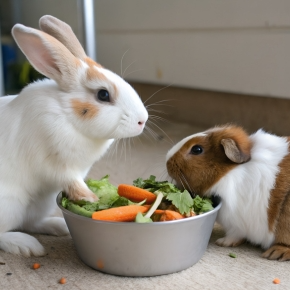
Our Vets in Daventry Discuss the Dangers of Gut Stasis
As adept masters of disguise, we don’t always know when our beloved small pets are suffering, so as a pet parent, it’s important that you recognise when they’re not their usual, lovable self.
One of the most common conditions targeting the small furry pet population is gut stasis, and our vets in Daventry have gathered some tips to help owners understand this silent killer. Let’s dive in.
If some of the signs below seem familiar, get in touch immediately so we can help your rabbit or guinea pig bounce back to good health.
Contact us if you’re concerned
Gut Stasis in Rabbits and Guinea Pigs: What You Need to Know
What is gut stasis?
Our vets in Daventry share that as you might suspect, gut stasis is as the name suggests—the slowing and stopping of food through the gastrointestinal tract, resulting in the inability to absorb nutrients and fluid, which can be fatal if left untreated.
What causes it?
As herbivores with very sensitive digestive systems, the main culprit behind gut stasis in rabbits and guinea pigs is diet—namely one that’s low in fibre or high in carbohydrates or sugar. But also keep a close eye on your small pet’s pain, stress and hydration levels as these can play a major role in the development of the condition, along with dental disease, liver or kidney problems, and overgrooming leading to gut blockages from fur.
What are the symptoms of gut stasis?
According to our team at Daventry Vets, common symptoms of gut stasis in rabbits and guinea pigs to look out for include:
- Decreased appetite, refusing treats, or reduced food intake
- Hunched posture
- Lethargy or weakness
- Teeth grinding
- Decreased or no faecal output
- Small, hard and dark faecal pellets
When does this become an emergency situation?
This is an emergency situation for both species if they stop eating for:
- Rabbits: 12 hours or less, but even 6-8 hours without eating is concerning. 12+ hours is definitely an emergency.
- Guinea pigs: 6-12 hours, but 4-6 hours can be a red flag. 12+ hours is critical.
Why is it so urgent?
Daventry Vets’ team share that rabbits and guinea pigs have continuously moving digestive systems that require constant food intake.
When they stop eating:
- Gut motility slows or stops (GI stasis)
- Harmful bacteria can overgrow
- The gut can become impacted or blocked
- They can develop life-threatening complications quickly
- Their metabolism is so fast that they can deteriorate rapidly
What are the treatment options?
The first step of treatment should always be seeking veterinary care immediately, as gut stasis can be life-threatening. Our vets in Daventry focus on pain relief, rehydration through fluid therapy, gut-stimulating medications and the correction of their diet.
How can gut stasis be prevented?
To reduce the risk of gut stasis, hay is key, as this promotes healthy bacterial growth and digestion. But that’s not all…
- Avoid stressful events or changes to their surroundings
- Encourage exercise to stimulate their digestive system
- Be careful of overfeeding them pellets or junk food
- Ensure they have constant access to clean, fresh water
- Groom them as often as possible
It’s also important to keep up with regular health checks for your rabbit or guinea pig, so book a health check-up with our vet practice in Daventry so your small treasure can receive the biggest amount of care – that’s what we’re here for.
Contact us if you’re concerned
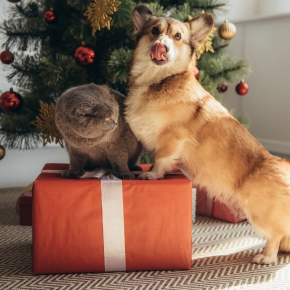
Daventry Veterinary Clinic’s Guide to Christmas Trees and Pets
Real Christmas trees are beautiful, but are they the best option when you have pets? At this time of year, our vets in Daventry often see cases where curious cats, dogs or rabbits have got a little too close to the tree, with unfortunate results.
If you do need urgent help, call our team at Daventry Vets on 01327 877767 straight away and we’ll arrange to see your pet as quickly as possible.
See our out of hours emegency vet service information
Which type of Christmas tree is best for pets?
Real Christmas trees
1. Pine needle problems
Pine needles may look harmless, but they’re sharp and non-digestible. If chewed or swallowed, they can cause irritation or even punctures to the mouth, throat, and stomach. Daventry Veterinary Clinic’s team share that pets who eat pine needles may show signs such as drooling, vomiting or reluctance to eat. In severe cases, the needles can cause dangerous internal blockages that require emergency care.
Pine trees also contain natural oils (terpenes) that can upset your pet’s stomach or cause skin irritation. Cats are particularly sensitive to these oils and may develop drooling, weakness or tremors after exposure. If you’ve ever wondered “are pine needles toxic to cats and dogs?”, the answer is yes, they are.
2. Troublesome tree water
Our vets in Daventry explain that Christmas tree water often contains sap and sometimes fertiliser that can cause tummy upsets if pets drink it.
Are plastic trees safe?
The short answer is, not really. If you have an artificial tree, remember they’re not risk-free either, as their plastic or tinsel-like needles can cause choking if chewed.
Call us on 01327 877767 straight away if you’re pet has ingested anything harmful.
Our verdict?
We don’t want to be bah-humbug, so our advice is always “think safety first!” Here are a few Christmas tree tips to reduce risk at home:
- Reduce pet access to the tree if you can.
- Failing that, sweep up fallen pine needles daily.
- Secure your tree to a wall if possible to prevent tipping.
- Avoid issues with tree water by securely covering the base of your tree.
- If buying a plastic tree, ensure there are no small detachable parts that could be chewed off and swallowed.
- Tie up loose cables.
- Always choose pet-safe decorations and avoid having tinsel or edible ornaments within reach of pets.
Taking a few simple precautions will maximise the chances of your pets staying healthy and your home festive. Our veterinary team at Daventry Vets love seeing your pets, but we’re sure an emergency admission on Christmas Eve isn’t on your wish list!
Call us for advice or pop into the practice if there’s anything you’re unsure about before the holidays.
Looking for more pet care news? Be sure to check our other seasonal articles for tips from our vets in Daventry and things you need to know about winter pet care.

Daventry Vets’ Vets on Preparing Small Pets for Winter
As Autumn turns to winter and temperatures drop in Northamptonshire, it’s time to consider how the changing seasons will affect your beloved rabbits and guinea pigs. These delightful small pets require special attention during colder months to ensure they remain healthy, comfortable and content throughout winter.
Below, our vets at Daventry Vets suggest ways to adjust the environment of your small pet to better care for them through winter. If you see any signs of discomfort in your pet during these colder months, book an appointment for a winter health check with our vets in Daventry.
Understanding their natural needs
Both rabbits and guinea pigs are far more sensitive to cold than many owners realise. Guinea pigs, originally from the warm Andes mountains, are particularly vulnerable to temperature fluctuations. Rabbits, whilst naturally more cold-tolerant, still need proper preparation for Britain’s unpredictable winter weather.
Creating the perfect winter environment
For outdoor hutches, our vets share that insulation is absolutely crucial. Draught-proof your pets’ homes by covering three sides with clear perspex or tarpaulin, ensuring adequate ventilation remains. Add extra bedding – hay is excellent for warmth and provides entertainment.
Consider moving hutches inside where possible, or at least to more sheltered locations, perhaps against a house wall or in a garage with open doors. Indoor pets aren’t immune to seasonal challenges either so it’s best to keep their accommodation away from radiators and draughty areas. Consistent temperatures between 15-20°C are ideal for both species.
Dietary adjustments for winter wellness
Cold weather increases your pets’ energy requirements. Our vets in Daventry advise gradually increasing their pellet rations and ensuring unlimited access to quality hay. Don’t forget to monitor them so they don’t get overweight. Fresh vegetables remain important, but serve them at room temperature rather than straight from the refrigerator.
Check water bottles regularly for freezing. Did you know you can buy insulated water bottles to help prevent your pet’s water freezing.
Health monitoring during cold spells
Watch carefully for signs of discomfort: hunched postures, reluctance to move, or changes in eating habits. Respiratory issues can develop quickly in cold, damp conditions. Regular health checks with our vets at Daventry Vets become even more critical during winter months. Call us on 01327 877767 to book an appointment.
Companionship matters
Both rabbits and guinea pigs are social creatures who benefit enormously from having companions. Paired animals can huddle together for warmth and emotional comfort during the darker, colder months. If you have single pets, consider providing extra hiding spots and cosy fleece blankets. If you’d like more information on pairing small pets, do get in touch with our team.
We don’t recommend keeping rabbits and guinea pigs together as rabbits tend to bully guinea pigs.
Exercise and enrichment
Don’t let cold weather stop play time. Create indoor exercise areas or covered outdoor runs. Mental stimulation through toys, tunnels, and foraging opportunities becomes especially important when outdoor time is limited. With thoughtful preparation and consistent care, our vets at Daventry Vets confirm that your furry friends can thrive throughout the colder months, emerging happy and healthy when spring returns.
Noticing any signs of discomfort in your pet as the temperatures drop? Arrange a winter health check with our vets in Daventry.

Pet Calming Tips for Firework Season
As the days grow shorter and the nights colder, firework season is fast approaching. While we may look forward to the colourful displays, for many pets, fireworks around Northamptonshire can be a source of intense stress and anxiety. But the good news is that preparing now can help your furry friends feel more secure when the loud bangs start in late October and November.
In this article, our team at Daventry Vets share some essential steps to help your pets stay calm during firework season, whether they’re dogs, cats, rabbits, or guinea pigs. We’re also here to talk about calming aids if you feel they might be needed.
Contact us about ordering calming aids
Prep now for firework season: helping your pets stay calm
1. Create a safe space
One of the most important things you can do for your pet is provide them with a safe, quiet place to retreat to during firework displays in Northamptonshire.
- For dogs and cats: Choose a room that’s far from the noise. Close windows, pull down the blinds or draw the curtains, and consider playing calming music or white noise to mask the sounds of fireworks.
- For rabbits and guinea pigs: Set up their cage in a room that’s secluded from outside noise. Make sure it’s in a location where they feel secure but can still see their familiar surroundings.
2. Familiar Scents and Comfort Items
Our team at Daventry Vets advise that a familiar smell can help reassure your pet when they’re feeling frightened.
- For dogs: Keep their favourite blanket, toy or a piece of your clothing nearby to comfort them. You can also consider a pheromone diffuser (ask our team for advice), which mimics calming scents that dogs find soothing.
- For cats: Cats are scent-driven, so having their favourite blanket or bed with them in their safe space can help them feel more secure.
- For rabbits and guinea pigs: Include their usual bedding or hay and keep the cage in a familiar, quiet area. They can also benefit from a soft, cuddly hideout.
3. Consider Calming Products
Our vets in Daventry suggest several types of calming products that can help ease anxiety.
- For dogs: You might want to try pheromone diffusers, anxiety wraps, calming chews, or sprays. Speak to our vets at Daventry Vets for recommendations on calming products or ask about anti-anxiety medication if your dog’s fear of fireworks is particularly severe.
- For cats: Again, pheromone diffusers or sprays can be very effective in calming cats. Some owners find calming collars work well too.
- For rabbits and guinea pigs: While these smaller pets typically don’t respond to calming sprays, keeping them in a dark, quiet place can help them feel safer.
Ask our team about the best pheromone diffusers and other calming products available for dogs and cats, and when they should ideally be started. Some pet calming products, such as diffusers, work best when started a few weeks before the events, so now is the ideal time to get advice and get them ordered.
4. Training and Desensitisation
The earlier you start, the better. Training your pet to be more comfortable with loud noises in Northamptonshire can take time, but it’s possible to desensitise them gradually.
- For dogs: Start by playing firework soundtracks at a very low volume and slowly increase the volume over time. Pair this with positive reinforcement (treats and praise) to help them associate the sounds with good things.
- For cats: You can use similar sound desensitisation techniques for cats. Try playing gentle noises, gradually introducing louder sounds as your cat becomes more comfortable.
- For rabbits and guinea pigs: They are more sensitive to loud noises, so it’s important to focus on keeping them in a calm, secure environment. You can get them used to soft background noise gradually, but always ensure they have a safe place to retreat.
5. Vet Consultation
If your pet experiences severe anxiety during firework season, it’s always a good idea to consult our vets at Daventry Vets as early as possible. They can offer tailored advice, recommend pet calming products and medications, or suggest more advanced behaviour therapies.
Remember, some calming aids can work best if they are started sooner, so don’t delay.
Order calming aids now or book for advice