Over or Under – Why Weight Counts For Pets in Northamptonshire
Keeping an eye on your pet’s weight is about safeguarding their overall health and happiness. When pets are overweight or underweight, they can suffer from a range of preventable health problems.
In this article from our nursing team at Daventry Vets, we’ll explore why weight management is so important for different types of pets and how nutrition plays a key role in keeping them healthy. Contact us to book a nutrition and weight review appointment with our experienced nursing team.
Why being over or underweight is a big issue
Dogs
According to our nursing team in Daventry, excess weight in dogs can lead to serious health conditions such as arthritis, diabetes, and heart disease. It can also reduce their quality of life, making them less mobile and in some cases, suffer from skin-fold infections.
On the flip side, underweight dogs may struggle with low energy and weaker immune systems. Feeding a balanced diet tailored to their size, breed, and activity level is essential. Regular exercise, like daily dog walks in Northamptonshire or play sessions, works hand-in-hand with good nutrition to keep them at a healthy weight.
Cats
For cats, being overweight increases the risk of diabetes and liver disease, while underweight cats may face muscle loss and poor coat condition. Daventry Vets’ nursing team recommend feeding portion-controlled meals that suit their age and activity level to help maintain a healthy weight. Active playtime and the right mix of wet and dry foods also support their overall health – contact us to book a nutrition and weight review with one of our nurses.
Rabbits and guinea pigs
Weight management in rabbits and guinea pigs is a delicate balance. Overweight small pets are more prone to joint problems and overgrown teeth, as excess fat can make grooming and chewing challenging. Underweight animals may struggle to regulate their body temperature and become frail. A diet rich in hay, fresh vegetables, and a small amount of high-quality pellets is ideal. Fresh water and good feeding habits ensure these small pets stay healthy.
Small furries
Hamsters, gerbils, and other small pet mammals can also face issues if their weight isn’t properly managed. According to Daventry Vets’ nurses, overweight small furries may become less active, while being underweight could be a sign of underlying health issues. Offering appropriate foods, encouraging natural foraging behaviour, and providing exercise opportunities like wheels or tunnels can keep them in top form.
Why nutrition matters
A proper diet is the foundation of good health for every pet. It affects their weight, energy levels, and dental health. Overweight pets often consume high-calorie treats or unsuitable foods, which can lead to further health issues. Underweight pets may not be receiving the nutrients they need for healthy growth, strong teeth, and overall wellbeing.
If you’re unsure about your pet’s nutritional needs or would like tailored advice, contact us to book a weight and nutrition appointment with our vet nurses in Daventry today.

Doggy Dental: Vet Sarah Aldridge Explains The Problem with Plaque
Did you know February is Pet Dental Health Month? Daventry Vets are hot on the tails of our nation’s favourite pets’ dental downfall – plaque!
Plaque may seem like a minor nuisance, but for dogs, it can lead to some major dental troubles. Understanding the impact of plaque on your furry friend’s health is key to keeping those tails wagging and those teeth strong. In this article from Daventry Vets, our Vet Sarah Aldridge is helping dog owners in Northamptonshire learn more about the problems caused by plaque.
What is plaque and why does it matter?
Sarah says it’s helpful to first understand what plaque is – it’s a sticky film of bacteria that naturally forms on the surface of teeth after eating. If not removed, it hardens into tartar, which can cause gum disease in dogs, discomfort, tooth decay/loss, and potentially serious health problems as bacteria from the mouth enter the bloodstream.
So, for dogs, the consequences of unchecked plaque go beyond a bad case of doggy breath.
Signs your dog might have dental problems
Dogs are pros at hiding pain, so it’s important to spot the warning signs early. Here are some red flags that highlight your dog might be struggling with plaque buildup:
- Persistent bad breath (beyond the usual ‘doggy’ smell).
- Yellow or brown discolouration on the teeth.
- Swollen, red, or bleeding gums.
- Difficulty eating or chewing.
- Pawing at the mouth or general irritability.
If you notice any of these symptoms, it’s time to act and book a dental check at our vet practice in Daventry by calling 01327 877767 or booking online.
What you can do to tackle plaque
According to Sarah, preventing plaque isn’t as daunting as it sounds, and a few small changes to your dog’s care routine can make a big difference:
- Daily brushing: Brushing your dog’s teeth regularly with pet-safe toothpaste is one of the best ways to combat plaque.
- Dental treats and toys: Look for products specifically designed to reduce plaque and tartar. These can make dental care feel more like a treat than a chore!
- Healthy diet: Feeding your dog a balanced diet can support overall oral health. Some foods are even designed to help clean teeth as they chew.
- Regular dental check-ups: Just like us, dogs need professional dental care. Regular visits to the vet can keep plaque under control and prevent more serious issues.
Why dental care matters for your dog
Good oral health is about more than a sparkling smile. Sarah shares that keeping your dog’s teeth and gums healthy ensures they can eat, play, and enjoy life without discomfort. Plus, it’s a vital part of their overall wellbeing.
Time to take action
If you’ve been putting off your dog’s dental care, now’s the perfect time to prioritise it. A professional dental appointment at Daventry Vets can tackle stubborn plaque, assess your dog’s oral health, and set you on the right path for future care.
So, reduce the risk of painful gum disease in your dog and book a dental appointment today in Daventry with our expert team.

Socialisation Tips for Puppies and Adult Dogs from Daventry Vets
If you’ve recently welcomed a new puppy or adult dog into your home, you’re hopefully having a magical experience so far. However, now is the perfect opportunity to focus on their socialisation before things go awry.
Why not register your new pet and then book an appointment with our friendly team in Daventry to discuss their individual needs?
Why socialisation is essential
Our team at Daventry Vets explain that socialisation helps puppies and adult dogs feel confident and relaxed in various situations. It’s not just about meeting other dogs in and around Northamptonshire, but also getting used to different environments, people, and sounds.
Not socialising your dog could result in nervous or reactive behaviours, which can be challenging to address later. The most effective socialisation period is during those early puppy months, when their brain is like a sponge and they are learning from everyone and everything around them. Socialising an adult dog can be more challenging but it is worth persevering with. In some cases, finding an experienced dog trainer may be helpful.
Key areas to focus on for socialisation
Interacting with other dogs
Allowing your dog to meet other dogs in a controlled environment is vital for teaching them how to communicate and behave appropriately. Dogs will learn from each other as well as taking cues from you as to what is deemed acceptable behaviour.
Exposure to different environments
Our nursing team in Daventry have many years of experience talking to new pet owners about puppy and dog socialisation. Their advice is that socialising your pet means gradually introducing them to various settings, such as:
- Parks: A great place to meet other dogs and people.
- High Streets: Helps with getting used to crowds.
- Shops & Cafes: Helps them navigate indoor social scenes.
- Transport: Familiarise your dog with cars, trains, or buses.
There are some excellent places in and around Northamptonshire to socialise your puppy or adult dog. Help other local dog owners by sharing your experiences and favourite doggy spots on our Facebook page.
Handling and grooming
Handling exercises can help your dog get used to being touched, which is essential for grooming and visits to our vet practice in Daventry.
Sounds and sights
Gradually expose your dog to new experiences, such as household appliances, firework noises (you can do this using pre-recorded sounds available from various places online), door knockers and bells, and anything else that could unsettle them if they’re not taught to be calm around it.
January is Walk Your Dog Month!
The cold winter weather in Northamptonshire can be challenging at times, but if it’s safe, a brisk walk can be excellent for heart health (for you both) and socialisation! January is Walk Your Dog Month – a great motivator to spend time outside, help your dog burn off energy, and build their confidence in the wider world.
Remember, if you have a puppy, once they are fully vaccinated, you’ll need to limit their walks to suit their breed, size, and age so as not to overwork and potentially damage their growing limbs. Talk to our team in Daventry about your puppy’s specific exercise needs if you’re unsure – get in touch.
Need help with socialisation?
At Daventry Vets, our team can offer you guidance on the socialisation process. Whether it’s your first time owning a puppy or an adult dog, or you’re looking for new tips, we’re happy to help.
Why not register and then book an appointment to chat with our nurses?

Phones, Vapes, Laptops… Why You Need Sarah’s Pet Fire Safety Guide
Daventry Vets’ Sarah Aldridge is highlighting fire dangers to pet owners in Northamptonshire, after a variety of new gadgets will have entered homes over the holiday season.
Pets are naturally curious creatures, and their inquisitiveness can sometimes lead to dangerous situations, particularly when it comes to electrical items and lithium-ion batteries. Found in everyday devices that you may have bought or received recently, like mobile phones, power banks, laptops, and vapes, these batteries can become a significant fire hazard if damaged.
Call 999 for the Emergency Services
If you’re registered with Daventry Vets, call us for Emergency Pet Care in Daventry on 01327 877767.
For an out of hours emergency vet in Daventry,
See our emergency care information
Why lithium batteries pose a danger
Lithium-ion batteries power many household gadgets due to their compact size and high energy output. However, if punctured or damaged, they can release toxic gas and trigger a process called thermal runaway. This reaction causes the battery cells to overheat and collapse in a domino effect, leading to intense fires that can spread rapidly.
Do you know what type of batteries are in your new gadgets?
Be prepared with Daventry Vets’ Fire Evacuation Plan – download now.
Potential risks for pets
Vet Sarah Aldridge explains that dogs and cats explore their surroundings with their mouths and paws. A pet might mistake a battery-powered device left on a sofa or table, such as a mobile phone or vape, for a chew toy. If bitten or punctured, the battery could release a harmful gas and spark a fire, putting the whole family and homes at serious risk.
Pets can also accidentally cause fires in other ways. For example, dogs have been known to turn on electric hobs, and cats can knock over electronic devices, blocking ventilation and causing overheating.
Steps to minimise risks
To help you protect your human and pet family, the team at Daventry Vets have put together a list of actions you can take. Plus,
Download our Fire Evacuation Plan
1. Secure devices
- Sarah advises you to first understand which gadgets in your home have lithium-ion batteries in them, such as laptops, power banks, and vapes.
- Keep gadgets out of reach – store them in secure drawers or high shelves when not in use.
- Avoid leaving items with batteries on sofas, tables, or other areas accessible to pets.
2. Unplug and turn off appliances
- Turn off appliances like electric hobs and portable heaters at the mains when leaving your home in Northamptonshire.
- Avoid running washing machines or dishwashers unattended, as curious pets might interfere with these devices.
3. Inspect cables and chargers
- Check regularly for frayed wires or damaged plugs, as these can pose both fire and electrical risks to pets.
- Secure loose cables to prevent chewing.
4. Store batteries safely
- Keep spare lithium batteries in secure cases or containers.
- Avoid exposing batteries to extreme temperatures, which can increase the risk of malfunction.
5. Create a pet-safe environment
- Provide appropriate chew toys to deter pets from nibbling on dangerous objects.
- Sarah says it is also wise to set up cosy spots away from warm electronics like laptops or gaming consoles.
For more advice on how to keep your pet safely entertained, contact our vet practice in Daventry on 01327 877767.
Why prevention matters
Fires caused by damaged lithium-ion batteries can spread faster than traditional fires, leaving little time to react. Sarah stresses the importance of creating a safe environment for both people and pets, as proactive measures can help prevent disasters and protect lives. A few simple adjustments can make your home a safer place for everyone. Having an effective evacuation plan for the whole family is a wise move too.
See our emergency care information

New Year Bucket List Adventures for Dogs in Northamptonshire
The new year is the perfect time to tick off a few adventures on your dog’s bucket list. At Daventry Vets, we’ve got some great ideas for Northamptonshire dogs in 2025!
Book an appointment with one of our friendly vets to make sure your dog’s ready for an adventurous year ahead.
1. Explore new dog-friendly parks
Start by discovering new dog-friendly parks in Northamptonshire and further afield. Whether it’s a local spot or a hidden gem, your dog will love exploring new places with you!
Tips:
- Pack Treats: Keep some tasty rewards on hand for your dog.
- Bring Water: Hydration is key for both of you!
2. Have a beach day
Daventry Vets’ nurses love taking their dogs to beaches for a fun-filled day of running, swimming, and relaxing together. If your dog hasn’t been to a beach yet, make 2025 the year for sandy exploration! If you’re a regular dog-friendly beach visitor, why not find a new coastal hot spot for you both to try out?
Tips:
- Watch The Water: Keep an eye on your dog if they’re not used to swimming.
- Protect Paws: Hot (summer) sand and stoney/rocky areas can be tough on your dog’s feet.
- Heat Safety: If you’re going on a hot day, avoid prolonged time in the sun, apply pet sunscreen, keep them hydrated, and watch for signs of overheating such as excessive panting and drooling.
3. Hit the road for a road trip
Our vets in Daventry suggest packing up the car and taking your dog on a scenic road trip. Whether it’s a day trip, a weekend getaway or a full-on adventure, your dog will love being your travel buddy. Many ferry routes (within UK) accept walk-on passengers with dogs, as do most trains; both modes of transport could add an extra element of doggy fun!
Tips:
- Car Safety: Use a dog seatbelt or crate for safe travels.
- Frequent Breaks: Stop for walks, refreshments and bathroom breaks along the way.
4. Go camping
Camping typically means all huddling together in one bed, hanging out by the campfire, and throwing a ball around – we love this for you and your dog!
Tips:
- Stay Secure: Ensure your dog can’t escape when you’re in and around the tent.
- Heat Safety: Tents can get incredibly hot inside in warm weather so never leave your dog inside unattended.
5. Try a new dog sport
Depending on your dog’s age, health, mobility and temperament, you may be able to get them active and engaged by trying a new dog sport. Whether it’s canine agility, flyball, or dock diving, your dog may love the challenge and excitement. Our team at Daventry Vets may be able to help you find the perfect activity for your dog’s energy levels – just ask our team at your dog’s next health check.
6. Take a hike
Hit the trails with your dog! Hiking is a great way to explore the great outdoors together and get some exercise along the way.
Tips:
- Bring Snacks and Water: Make sure you and your dog stay fuelled up.
- Check the trail: Ensure the hike is dog-friendly and safe.
Get ready for 2025!
Before setting off on these amazing adventures, make sure your dog’s health is up to scratch. Book an appointment at Daventry Vets for a quick check-up and get your dog ready for the year ahead.

New Year Health Planning for Your Pet with Daventry Vets
Starting the year with a focus on your pet’s health is a fantastic way to ensure they’re happy, comfortable, and active all year long. At Daventry Vets, we’re here to support pet owners in Northamptonshire with everything from check-ups to tailored nutritional advice, helping to start the year right. Below are some of the key steps for effective pet health planning.
Book your pet’s next appointment
Scheduling annual health checks
One of the best ways to ensure your pet’s ongoing health is to schedule an annual wellness exam with one of our highly experienced vets. A health check allows us to assess your pet’s overall condition, check for any underlying issues, and keep vaccinations up to date. Regular visits help identify potential health concerns early, making it easier to manage and prevent issues over time.
Make sure to book a wellness appointment at Daventry Vets to give your pet a great start to the new year.
Nutrition and weight management
Nutrition plays a big role in your pet’s health, and the new year is a great time to check their diet. Obesity in pets is common and can lead to problems such as joint issues and diabetes.
Nutritional appointments with Daventry Vets’ nursing team
At Daventry Vets, our nursing team are here to provide tailored nutritional advice suited to your pet’s age, breed, and lifestyle. During a nutrition appointment, we’ll discuss meal portions, feeding habits, and any specific dietary needs. If your pet has weight concerns, we can help create a diet plan that supports their health throughout the year. A quick nutrition review could make a big difference in their quality of life – contact us to book this.
Additional health considerations
Our vets in Daventry advise that these are a few more health checks to consider when planning for the year ahead:
- Dental Checks: Dental health is essential for your pet’s overall wellbeing. Our vets can check your pet’s dental health at their next wellness check-up. Then, regular dental checks and oral care can help prevent plaque build-up and other oral health issues.
- Parasite Prevention: Ensure your pet is up-to-date on parasite control for fleas, ticks, and worms. Book an appointment for a parasite prevention review.
- Mobility Assessments: As pets age, joint health can become a concern. Discuss any mobility issues with our team, particularly if you have an older pet.
Book an appointment to start your pet’s health plan
Getting organised with your pet’s health in January is a great way to support their wellness all year round. Our team at Daventry Vets are here to help you develop a personalised health plan that’s just right for your pet. From routine check-ups to tailored diet plans, we’ve got you covered.
Book your pet’s next appointment now

Can Cats and Dogs Eat A Vegan Diet? Vet Sarah Aldridge Has This Advice
Each January, the Veganuary campaign inspires people across the UK to embrace plant-based eating for the month, often driven by ethical beliefs or health considerations. You might be wondering if your pet can join you on this initiative. To help pet owners in Northamptonshire understand what diet is safe for their pets this January, our team have put together the following advice.
Get tailored nutritional advice for your pet by contacting us to book an appointment with our experienced registered veterinary nurses at Daventry Vets.
Book a pet nutrition nurse appointment
Choosing the right diet for your pet
Daventry Vets’ veterinary surgeons and registered veterinary nurses are highly trained when it comes to providing guidance on proper pet nutrition and care. While humans can choose dietary preferences, it’s crucial to prioritise the wellbeing and health of our pets by providing them with diets that meet their nutritional and health requirements.
The protein in your pet’s diet provides them with amino acids, and these are essentially the building blocks of your pet’s body. Our team at Daventry Vets can advise you on the protein sources and levels your pet needs, as well as all other aspects of pet nutrition. Each type of pet will need a slightly different diet based on their size, exercise levels, age and health condition. So, consulting with our team at Daventry Vets is the best way to ensure your pet is receiving the right balance of nutrition for their individual needs.
Can dogs eat a vegan diet?
Advice for dog owners in Northamptonshire is that a dog’s diet must provide the right balance of essential nutrients like proteins, vitamins, and fats. Unlike their ancestors, today’s dogs are omnivores, able to gain nutrients from both animal and plant sources. It’s important to be aware that insufficient nutrition may lead to health conditions impacting your dog’s heart, skin, coat, and immune system. While animal proteins provide high-quality ‘complete’ proteins with optimal amino acid ratios, plant proteins can be more complex. They often contain compounds like tannins, which can bind to the protein and make it harder for your dog to absorb.
That said, it’s all about getting the right balance for your dog’s individual needs. If you’re considering trying a diet that’s very different, such as a plant-based diet, your vet at Daventry Vets will work with you to ensure your dog’s new diet contains everything they need for optimum health.
Can cats eat a vegan diet?
Cats are obligate carnivores, meaning their bodies are specifically adapted to thrive on a diet rich in animal-based protein – quite the opposite of the Veganuary challenge. They require nutrients found only in animal tissue, and insufficient intake of these nutrients can lead to serious health issues.
Sarah explains that cats need 11 essential amino acids in their diet, which they cannot produce on their own. These amino acids – lysine, arginine, phenylalanine, histidine, isoleucine, leucine, methionine, taurine, valine, tryptophan, and threonine – are crucial for various aspects of health, including vision, heart function, muscle growth, and hormone balance. Without adequate amounts of these nutrients, cats are at risk of health conditions like vision impairment, heart disease, hormonal imbalances, and overall malnutrition.
Due to this, Sarah highly recommends that cats should not eat a vegan diet, to avoid putting their health at risk.
To learn more about your pet’s individual nutritional needs, contact us to book an appointment with our experienced veterinary nurses in Daventry.
Talk to our nurses about pet nutrition

Winter Dog Clothes – Yes or No?
As the temperature drops and we pull on our own jumpers and coats, many pet owners in Northamptonshire wonder whether their furry companions should do the same. But is dressing up pets in winter clothing a necessary precaution or is it more about fashion than function? As a veterinary practice, we often get asked this question, so let’s look at both the pluses and minuses.
If your pet is struggling more than usual in the cold and you are concerned, book a winter health check with our vets in Daventry.
Book a winter pet health check
Things to consider.
1. Protection Against the Cold: Some pets are more susceptible to the cold than others, particularly short-haired breeds, smaller dogs, and senior pets. These animals often struggle to maintain their body heat in colder weather, making a warm coat or jumper beneficial for comfort and health. A well-fitted coat can help keep dogs warm during winter walks in Northamptonshire.
2. Health Issues and Recovery: Dogs with certain health conditions, like arthritis, can benefit from additional warmth during winter. Our team at Daventry Vets share that a snug jumper can alleviate some discomfort by helping maintain body temperature and reducing stiffness. Similarly, dogs recovering from surgery or with a low body weight might also benefit from extra warmth provided by a coat.
3. Outdoor Activities: If your dog is active outdoors, a waterproof jacket can protect against rain and snow, preventing their fur from getting wet and making them cold. Or if your dogs are like our vet Sarah’s then they will be in water whatever the weather so there is no point in a coat on the walk and it’s better to dry them and put a coat on afterwards.
4. Not All Pets Need Them: Most dogs with thick, double-layered coats (like Huskies or German Shepherds), are naturally equipped to handle colder weather. These breeds can easily overheat if dressed in additional layers, making clothing uncomfortable and unnecessary.
5. Restricted Movement and Discomfort: If the clothing isn’t well-fitted or appropriate for your pet’s body shape, it can restrict their movement with potential for injury or skin irritation. Our vets in Daventry share that some dogs may also feel anxious or distressed when wearing clothing, leading to a negative experience, so it’s always best to start putting the coat on for short periods and using treats or play to make it a positive experience.
6. Behavioural and Safety Concerns: Dogs especially puppiess may try to chew or remove clothing, risking injury or ingestion of fabric. So they may need to be supervised.
7. Body Language and Social Signals: Clothing can obscure a pet’s body language, making it harder for other animals to interpret their signals. This could lead to misunderstandings or conflicts with other dogs.
So, what’s the verdict? As vets, we believe the decision to use winter clothes on dogs should depend on their individual needs and put their wellbeing and happiness first.
With dogs, consider their breed/coat type and if they need extra layers, their age and health, and if a coat will help them in bad weather. Daventry Vets’ team also advise observing your dog’s reaction to clothing and if they show signs of distress, it’s best to avoid it. Ensure your dog is supervised when wearing clothes to avoid injury and when choosing a dog coat or jumper, ultimately, it should prioritise function over fashion.
Have more questions? Get in touch with our vet practice in Daventry – we’re happy to help you make the best choices for your pet this winter!
If you want to share your thoughts on pets wearing clothes in winter, why not pop over and leave a comment on our Facebook page?
Book a winter pet health check
Sarah Aldridge Shares Home Hacks to Make Life Easier for Arthritic Pets
Animal Pain Awareness Month (September) is a great time to focus on the wellbeing of our beloved dogs and cats, especially those grappling with arthritis. The team at Daventry Vets have put together a guide to help you better support your arthritic dog or cat at home.
Not sure if your pet has arthritis? The main signs in dogs and cats include limping, stiffness, difficulty jumping or climbing, reduced activity, noticeable pain during movement, and a change in demeanour.
How to help your arthritic dog or cat at home
Arthritis can make everyday activities uncomfortable for our furry friends. Getting your pet diagnosed promptly by one of our vets means they can receive the multi-modal treatment they need – this might include medication and various types of physical therapy. But Daventry Vets’ support doesn’t end there. Vet Sarah Aldridge is here to tell you that with some adjustments at home, you can significantly improve your arthritic pet’s quality of life.
1. Create comfortable resting areas
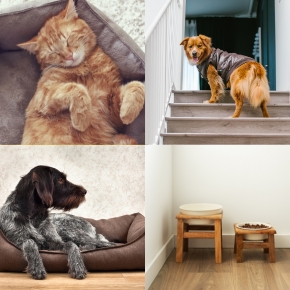
Sarah recommends providing your pet with a comfortable, quiet resting place. Choose a soft, supportive bed and position it in a calm, draft-free area. Consider an orthopaedic bed for extra comfort and ensure the bed is easily accessible (avoiding high platforms, high sides, and steps) to prevent further discomfort.
The best beds are ones that your pet can lie flat and stretch out.
2. Modify your home environment
You may need to help your pet with stairs and it may be safer to use a stair gate for dogs when you can’t supervise them. You can also help them by preventing slips on floors by using non-slip rugs or rug tape, and ensuring food and water bowls are at a comfortable height to avoid bending and stretching. Cats will benefit from low-sided litter boxes in multiple locations to reduce travel as well as ramps by furniture to help them reach their favourite spots.
3. Encourage regular exercise
For dogs, maintain regular exercise to help maintain joint health and loss of muscle, how much will depend on the severity of your dogs arthritis and their mobility level. Avoid high impact activities. Engage in low-impact play with soft toys and incorporate flexibility and core strength exercises, Sarah recommends Dogs4motion’s K9 conditioning course for seniors. For cats, Sarah recommends encouraging light exercise and play with mentally stimulating, interactive toys that don’t require excessive jumping or running.
4. Maintain a healthy weight
Excess weight can exacerbate feline and canine arthritis symptoms. It does this in 2 ways
1) The extra weight on your pet’s joints.
2) Fat produces inflammatory chemicals in the body.
Ensure your pet is the correct weight. We use body condition scoring to know when a pet is at their ideal weight. Book an appointment with our vet nurses, who can tell you what your pets body condition score is and help you with addition dietary advice.
5. Consider therapeutic aids
Sarah recommends using items like heated pet mats or blankets, which can provide soothing warmth for sore joints. Why not learn how to give your dog a soothing massage with Dogs4motions course.
What about joint supplements. Inspire of the huge number of supplements on the market their is actually very little evidence that they work. There is some evidence that distilled fish oil can help in the early stages. Please be very careful with this as if you give too much it can be toxic. Always consult with a vet before giving your pet supplements for arthritis or anything else. There are several prescription drugs that provide pain relief for arthritic dogs and cats.
6. Provide extra support
Dog harnesses or support slings can help when your dog is walking or climbing stairs. For cats, a soft, supportive carrier is ideal for vet visits or moving them around. These aids can provide additional support and reduce the strain on their joints. Ensuring your pet has easy access to all their favourite spots can also help them feel more comfortable and secure.
Managing arthritis in dogs and cats requires a combination of thoughtful adjustments and compassionate care. Animal Pain Awareness Month is a reminder of how important it is to be attentive to our pets’ needs so they can have a more comfortable and enjoyable life despite the challenges of arthritis. Get your pet checked for arthritis by one of our vets in Daventry now.
Noise Phobia in Dogs and Cats: How to Identify and Treat It
Noise phobia in dogs and cats is a common but distressing condition that can significantly impact their quality of life. This anxiety disorder causes pets to become extremely fearful of loud or sudden noises, leading to intense stress and behavioural changes. Our vets in Daventry have created this guide to help you understand noise phobia and its causes, symptoms, and treatment options to better support your furry friend.
With fireworks season just around the corner, contact the team at Daventry Veterinary Clinic to discuss which calming products for dogs or cats may help your furry friend cope.
Understanding noise phobia in dogs and cats
What is noise phobia?
Noise phobia is an intense fear or anxiety triggered by specific sounds. Unlike a simple reaction to loud noises, noise phobia involves a heightened and persistent fear that can lead to severe behavioural issues. Common noises that might trigger this phobia include thunderstorms, fireworks, sirens, or even household appliances.
How does noise phobia present in pets?
Our vets in Daventry share that pets with noise phobia may exhibit a range of distressing behaviours, including:
- Pacing and Restlessness: Pets may wander aimlessly or appear agitated.
- Hiding: They might seek refuge in enclosed spaces or under furniture.
- Vocalisation: Increased barking, whining, or meowing can be a sign of distress.
- Destructive Behaviour: Some pets may chew furniture or scratch walls.
- Shaking or Trembling: Physical signs of fear are common, particularly during loud noises.
These reactions can vary in severity depending on the individual pet and the intensity of the noise.
Contact us ahead of fireworks season to discuss calming aids for your pet.
Common causes of noise phobia in pets
Noise phobia can stem from a variety of causes:
- Lack of Early Socialisation: Pets who were not exposed to a range of sounds during their critical developmental period may be more susceptible to noise phobia.
- Traumatic Experiences: Past negative experiences related to loud noises, such as a frightening event during fireworks, can contribute to the development of this phobia.
- Genetics: Some pets may have a genetic predisposition to anxiety disorders, making them more prone to developing noise phobia.
- Environmental Factors: Changes in the environment, such as moving to a new home or experiencing sudden loud noises, can trigger or exacerbate the condition.
How to treat noise phobia in pets
Our team of experienced vets at Daventry Vets have dealt with many cases of noise phobia over the years. They advise that addressing it involves a combination of strategies to help reduce anxiety and manage symptoms:
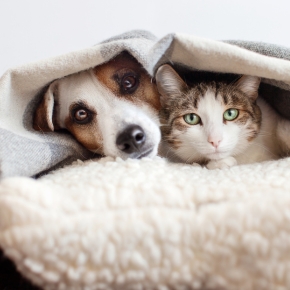
- Create a Safe Space: Designate a quiet, secure area in your home where your pet can retreat during noisy events. Provide comfortable bedding and familiar items to help them feel safe.
- Desensitisation: Gradually expose your pet to recorded sounds of the noises that trigger their phobia at a low volume, increasing the volume over time. Pair these sessions with positive reinforcement to help them associate the sounds with rewards.
- Use Calming Products: Calming aids such as anxiety wraps, pheromone diffusers, or calming treats can help alleviate anxiety. Ask our vets in Daventry to discuss the most suitable options for your pet with you – get in touch.
- Professional Help: For severe cases, book an appointment at Daventry Vets. The vet will examine your pet for any underlying health conditions that could be contributing to their anxiety, as well as provide a tailored treatment plan, and medication if necessary. They may also discuss behavioural therapy and enlisting the help of a veterinary behaviourist.
- Maintain Routine: Keeping a consistent routine can provide stability and comfort for your pet, helping to reduce overall anxiety.
In conclusion, noise phobia can significantly impact a pet’s wellbeing, but with the right approach, it is manageable. By understanding the causes, recognising the symptoms, and implementing effective treatment strategies, you can help your pet feel more secure and less fearful. If you have concerns about your pet’s behaviour, don’t hesitate to contact our team in Daventry for advice.