Caring For Your Cat’s Canines with Daventry Vets
Your cat’s canine teeth are more than just sharp, impressive fangs – they’re an essential tool for eating, playing, and even communication. However, just like any part of their body, their canines need proper care to stay healthy.
For Pet Dental Health Month in February, our team at Daventry Vets are sharing how best to care for your cat’s teeth. Booking a dental check-up for your cat is a great start.
Book a cat dental check-up now
Looking after your cat’s teeth
From plaque build-up to potential injuries, our experienced cat vets in Daventry say problems with your cat’s dental health can lead to discomfort or even bigger health issues. Understanding how to care for these key teeth can make a big difference to your cat’s overall wellbeing. Let’s dig in!
Why your cat’s canines matter
Your cat’s canines are the long, sharp fangs at the front of their mouth, vital for gripping, tearing food, and self-defence. Beyond their practical use in eating and hunting, these teeth are key to a cat’s body language and social interactions. Cats may bare their canines as a warning or use them gently during play to set boundaries and express affection. Whether for survival or communication, their canine teeth play a crucial role in your cat’s daily life.
Dental issues that affect canine teeth
According to our vets in Daventry, dental issues like fractures, resorptive lesions, and gum disease can affect the canines. If a canine tooth becomes damaged or infected, it can cause pain, difficulty eating, and even lead to further health problems. Booking regular dental check-ups at Daventry Vets will help ensure these important teeth stay healthy and functional.
Caring for your cat’s teeth
1. Regular check-ups
Regular dental check-ups are a cornerstone of keeping your cat’s canines healthy. Visiting our vets in Daventry every 6-12 months allows them to spot early signs of gum disease, plaque build-up, or tartar before they become serious issues.
If you’ve noticed any warning signs, such as bad breath, bleeding gums, or drooling, book a dental appointment as soon as possible as these symptoms could point to underlying dental problems that need attention.
2. A toothbrush
Brushing your cat’s teeth might sound tricky, but Daventry Vets’ nurses say it’s one of the most effective ways to maintain their dental health. Pet-specific toothbrushes are designed with cats in mind and can make the task easier. Starting when they’re kittens is ideal, but with patience, even older cats can adapt.
3. Cat-friendly toothpaste
Always use cat-specific toothpaste, as human formulas often contain ingredients that are harmful to cats. Start by introducing the toothpaste gradually; put a small amount on your finger to let your cat sniff and taste it before moving to a toothbrush. Use treats and praise as positive reinforcement.
4. A good diet
According to our veterinary team in Daventry, a balanced diet plays a big role in your cat’s dental health. Wet foods can prevent dehydration and provide variety, while dry kibble can help to naturally reduce plaque build-up. Offering a range of high-quality meats, like chicken, beef, or fish, gives your cat the nutrients they need to support strong teeth and gums.
5. A good routine
Consistency is key when it comes to dental care. Brushing your cat’s teeth, providing dental treats or toys, and observing their eating habits regularly will keep their canines in great condition. A routine also helps you spot changes early, like redness or swelling, which might indicate a problem.
Caring for your cat’s canines doesn’t have to be complicated. With regular check-ups at Daventry Vets, a good dental care routine, and a little patience, you can keep their teeth healthy and strong for years to come. Remember, healthy teeth mean a happy cat – ready to purr, play, and enjoy life to the fullest!

Daventry Vets Shares 10 Things You Might Not Know About Cats
Cats are some of the most fascinating and beloved pets in the world, known for their independence and quirky personalities. They’ve captured the hearts of millions, with around 11 million cats residing in 26% of UK households (2023 UK Pet Food Survey)! Below, Daventry Vets are sharing 10 fun facts about pet cats that might surprise you!
Our cat-loving vets and nurses in Daventry love helping local cat owners understand more about their pets and provide them with the very best care. Get in touch for advice that’s tailored to your cat’s individual needs.
Contact us for tailored cat care
Daventry Vets’ 10 fun facts about cats
Did you know that…
1. Cats can make over 100 sounds
From meows and purrs to chirps and growls, cats use a wide range of vocalisations to communicate their needs and feelings, such as to ask for food, seek attention, or communicate with other cats. For advice on the best food for your cat’s individual needs, contact us to book a nutrition appointment with our veterinary nurses in Daventry.
2. They have an impressive memory
Cats can remember locations, people, and past experiences for years, showing long-term memory skills comparable to dogs.
3. Whiskers are more than just cute
Highly sensitive, whiskers help cats navigate, detect air changes, and judge space to avoid getting stuck – vital for hunting and movement.
4. Cats can sleep for 16 hours a day
Our cat-owning vets and nurses in Daventry concur with this one; cats sleep 12 -16 hours a day on average, conserving energy for their natural hunting instincts, even if that just means playing or chasing toys!
5. They have “right” and “left” paws
Like humans, cats display a paw preference when performing tasks (such as reaching for something or grooming), with some being right-pawed and others left-pawed. This is known as “lateralisation” and can reveal a cat’s dominant side.
Daventry Vets’ team think it would be fun to discover whether your cat is a righty or a lefty! Try monitoring their movements when grooming, playing, and interacting with you and other household pets.
6. Cats have a third eyelid
A thin nictitating membrane located in the inner corner of their eyes provides extra protection and helps keep their eyes moist and vision clear of debris.
7. Ancient Egyptians worshipped cats
Cats were symbols of grace, protection and fertility in ancient Egypt, and harming one, even accidentally, was a serious crime.
8. Cats can hear higher frequencies than dogs
Daventry Vets’ team think you might find this one surprising, but cats can hear higher frequencies than dogs, with a range of 48 Hz to 85,000 Hz, compared to dogs’ range of 67 Hz to 60,000 Hz. While dogs excel at detecting distant sounds, cats’ exceptional high-frequency hearing allows them to locate ultrasonic noises made by small prey. In comparison, humans can only hear up to 20,000 Hz.
9. Cats don’t sweat like we do
Unlike humans, cats don’t sweat through their skin. Instead, they cool themselves by panting and by sweating through the pads of their paws. This makes it especially important for cat owners in Northamptonshire to ensure their cats stay cool during hot weather to avoid heat stroke.
10. A cat’s nose print is unique
Just like human fingerprints, every cat has a unique nose print. The pattern of ridges and bumps on a cat’s nose is as distinctive as fingerprints are for humans. No two cats’ nose prints are alike!
These fascinating facts show just how unique and remarkable cats are as pets. Whether they’re purring in your lap, chasing a toy, or staring out the window, cats bring a little bit of mystery and magic into our lives every day. Bring your beloved cat to see our vets in Daventry for a nose-to-tail health check and tailored cat care and advice.
Contact us for tailored cat care

Phones, Vapes, Laptops… Why You Need Sarah’s Pet Fire Safety Guide
Daventry Vets’ Sarah Aldridge is highlighting fire dangers to pet owners in Northamptonshire, after a variety of new gadgets will have entered homes over the holiday season.
Pets are naturally curious creatures, and their inquisitiveness can sometimes lead to dangerous situations, particularly when it comes to electrical items and lithium-ion batteries. Found in everyday devices that you may have bought or received recently, like mobile phones, power banks, laptops, and vapes, these batteries can become a significant fire hazard if damaged.
Call 999 for the Emergency Services
If you’re registered with Daventry Vets, call us for Emergency Pet Care in Daventry on 01327 877767.
For an out of hours emergency vet in Daventry,
See our emergency care information
Why lithium batteries pose a danger
Lithium-ion batteries power many household gadgets due to their compact size and high energy output. However, if punctured or damaged, they can release toxic gas and trigger a process called thermal runaway. This reaction causes the battery cells to overheat and collapse in a domino effect, leading to intense fires that can spread rapidly.
Do you know what type of batteries are in your new gadgets?
Be prepared with Daventry Vets’ Fire Evacuation Plan – download now.
Potential risks for pets
Vet Sarah Aldridge explains that dogs and cats explore their surroundings with their mouths and paws. A pet might mistake a battery-powered device left on a sofa or table, such as a mobile phone or vape, for a chew toy. If bitten or punctured, the battery could release a harmful gas and spark a fire, putting the whole family and homes at serious risk.
Pets can also accidentally cause fires in other ways. For example, dogs have been known to turn on electric hobs, and cats can knock over electronic devices, blocking ventilation and causing overheating.
Steps to minimise risks
To help you protect your human and pet family, the team at Daventry Vets have put together a list of actions you can take. Plus,
Download our Fire Evacuation Plan
1. Secure devices
- Sarah advises you to first understand which gadgets in your home have lithium-ion batteries in them, such as laptops, power banks, and vapes.
- Keep gadgets out of reach – store them in secure drawers or high shelves when not in use.
- Avoid leaving items with batteries on sofas, tables, or other areas accessible to pets.
2. Unplug and turn off appliances
- Turn off appliances like electric hobs and portable heaters at the mains when leaving your home in Northamptonshire.
- Avoid running washing machines or dishwashers unattended, as curious pets might interfere with these devices.
3. Inspect cables and chargers
- Check regularly for frayed wires or damaged plugs, as these can pose both fire and electrical risks to pets.
- Secure loose cables to prevent chewing.
4. Store batteries safely
- Keep spare lithium batteries in secure cases or containers.
- Avoid exposing batteries to extreme temperatures, which can increase the risk of malfunction.
5. Create a pet-safe environment
- Provide appropriate chew toys to deter pets from nibbling on dangerous objects.
- Sarah says it is also wise to set up cosy spots away from warm electronics like laptops or gaming consoles.
For more advice on how to keep your pet safely entertained, contact our vet practice in Daventry on 01327 877767.
Why prevention matters
Fires caused by damaged lithium-ion batteries can spread faster than traditional fires, leaving little time to react. Sarah stresses the importance of creating a safe environment for both people and pets, as proactive measures can help prevent disasters and protect lives. A few simple adjustments can make your home a safer place for everyone. Having an effective evacuation plan for the whole family is a wise move too.
See our emergency care information

New Year Health Planning for Your Pet with Daventry Vets
Starting the year with a focus on your pet’s health is a fantastic way to ensure they’re happy, comfortable, and active all year long. At Daventry Vets, we’re here to support pet owners in Northamptonshire with everything from check-ups to tailored nutritional advice, helping to start the year right. Below are some of the key steps for effective pet health planning.
Book your pet’s next appointment
Scheduling annual health checks
One of the best ways to ensure your pet’s ongoing health is to schedule an annual wellness exam with one of our highly experienced vets. A health check allows us to assess your pet’s overall condition, check for any underlying issues, and keep vaccinations up to date. Regular visits help identify potential health concerns early, making it easier to manage and prevent issues over time.
Make sure to book a wellness appointment at Daventry Vets to give your pet a great start to the new year.
Nutrition and weight management
Nutrition plays a big role in your pet’s health, and the new year is a great time to check their diet. Obesity in pets is common and can lead to problems such as joint issues and diabetes.
Nutritional appointments with Daventry Vets’ nursing team
At Daventry Vets, our nursing team are here to provide tailored nutritional advice suited to your pet’s age, breed, and lifestyle. During a nutrition appointment, we’ll discuss meal portions, feeding habits, and any specific dietary needs. If your pet has weight concerns, we can help create a diet plan that supports their health throughout the year. A quick nutrition review could make a big difference in their quality of life – contact us to book this.
Additional health considerations
Our vets in Daventry advise that these are a few more health checks to consider when planning for the year ahead:
- Dental Checks: Dental health is essential for your pet’s overall wellbeing. Our vets can check your pet’s dental health at their next wellness check-up. Then, regular dental checks and oral care can help prevent plaque build-up and other oral health issues.
- Parasite Prevention: Ensure your pet is up-to-date on parasite control for fleas, ticks, and worms. Book an appointment for a parasite prevention review.
- Mobility Assessments: As pets age, joint health can become a concern. Discuss any mobility issues with our team, particularly if you have an older pet.
Book an appointment to start your pet’s health plan
Getting organised with your pet’s health in January is a great way to support their wellness all year round. Our team at Daventry Vets are here to help you develop a personalised health plan that’s just right for your pet. From routine check-ups to tailored diet plans, we’ve got you covered.
Book your pet’s next appointment now

Can Cats and Dogs Eat A Vegan Diet? Vet Sarah Aldridge Has This Advice
Each January, the Veganuary campaign inspires people across the UK to embrace plant-based eating for the month, often driven by ethical beliefs or health considerations. You might be wondering if your pet can join you on this initiative. To help pet owners in Northamptonshire understand what diet is safe for their pets this January, our team have put together the following advice.
Get tailored nutritional advice for your pet by contacting us to book an appointment with our experienced registered veterinary nurses at Daventry Vets.
Book a pet nutrition nurse appointment
Choosing the right diet for your pet
Daventry Vets’ veterinary surgeons and registered veterinary nurses are highly trained when it comes to providing guidance on proper pet nutrition and care. While humans can choose dietary preferences, it’s crucial to prioritise the wellbeing and health of our pets by providing them with diets that meet their nutritional and health requirements.
The protein in your pet’s diet provides them with amino acids, and these are essentially the building blocks of your pet’s body. Our team at Daventry Vets can advise you on the protein sources and levels your pet needs, as well as all other aspects of pet nutrition. Each type of pet will need a slightly different diet based on their size, exercise levels, age and health condition. So, consulting with our team at Daventry Vets is the best way to ensure your pet is receiving the right balance of nutrition for their individual needs.
Can dogs eat a vegan diet?
Advice for dog owners in Northamptonshire is that a dog’s diet must provide the right balance of essential nutrients like proteins, vitamins, and fats. Unlike their ancestors, today’s dogs are omnivores, able to gain nutrients from both animal and plant sources. It’s important to be aware that insufficient nutrition may lead to health conditions impacting your dog’s heart, skin, coat, and immune system. While animal proteins provide high-quality ‘complete’ proteins with optimal amino acid ratios, plant proteins can be more complex. They often contain compounds like tannins, which can bind to the protein and make it harder for your dog to absorb.
That said, it’s all about getting the right balance for your dog’s individual needs. If you’re considering trying a diet that’s very different, such as a plant-based diet, your vet at Daventry Vets will work with you to ensure your dog’s new diet contains everything they need for optimum health.
Can cats eat a vegan diet?
Cats are obligate carnivores, meaning their bodies are specifically adapted to thrive on a diet rich in animal-based protein – quite the opposite of the Veganuary challenge. They require nutrients found only in animal tissue, and insufficient intake of these nutrients can lead to serious health issues.
Sarah explains that cats need 11 essential amino acids in their diet, which they cannot produce on their own. These amino acids – lysine, arginine, phenylalanine, histidine, isoleucine, leucine, methionine, taurine, valine, tryptophan, and threonine – are crucial for various aspects of health, including vision, heart function, muscle growth, and hormone balance. Without adequate amounts of these nutrients, cats are at risk of health conditions like vision impairment, heart disease, hormonal imbalances, and overall malnutrition.
Due to this, Sarah highly recommends that cats should not eat a vegan diet, to avoid putting their health at risk.
To learn more about your pet’s individual nutritional needs, contact us to book an appointment with our experienced veterinary nurses in Daventry.
Talk to our nurses about pet nutrition

Winter Dog Clothes – Yes or No?
As the temperature drops and we pull on our own jumpers and coats, many pet owners in Northamptonshire wonder whether their furry companions should do the same. But is dressing up pets in winter clothing a necessary precaution or is it more about fashion than function? As a veterinary practice, we often get asked this question, so let’s look at both the pluses and minuses.
If your pet is struggling more than usual in the cold and you are concerned, book a winter health check with our vets in Daventry.
Book a winter pet health check
Things to consider.
1. Protection Against the Cold: Some pets are more susceptible to the cold than others, particularly short-haired breeds, smaller dogs, and senior pets. These animals often struggle to maintain their body heat in colder weather, making a warm coat or jumper beneficial for comfort and health. A well-fitted coat can help keep dogs warm during winter walks in Northamptonshire.
2. Health Issues and Recovery: Dogs with certain health conditions, like arthritis, can benefit from additional warmth during winter. Our team at Daventry Vets share that a snug jumper can alleviate some discomfort by helping maintain body temperature and reducing stiffness. Similarly, dogs recovering from surgery or with a low body weight might also benefit from extra warmth provided by a coat.
3. Outdoor Activities: If your dog is active outdoors, a waterproof jacket can protect against rain and snow, preventing their fur from getting wet and making them cold. Or if your dogs are like our vet Sarah’s then they will be in water whatever the weather so there is no point in a coat on the walk and it’s better to dry them and put a coat on afterwards.
4. Not All Pets Need Them: Most dogs with thick, double-layered coats (like Huskies or German Shepherds), are naturally equipped to handle colder weather. These breeds can easily overheat if dressed in additional layers, making clothing uncomfortable and unnecessary.
5. Restricted Movement and Discomfort: If the clothing isn’t well-fitted or appropriate for your pet’s body shape, it can restrict their movement with potential for injury or skin irritation. Our vets in Daventry share that some dogs may also feel anxious or distressed when wearing clothing, leading to a negative experience, so it’s always best to start putting the coat on for short periods and using treats or play to make it a positive experience.
6. Behavioural and Safety Concerns: Dogs especially puppiess may try to chew or remove clothing, risking injury or ingestion of fabric. So they may need to be supervised.
7. Body Language and Social Signals: Clothing can obscure a pet’s body language, making it harder for other animals to interpret their signals. This could lead to misunderstandings or conflicts with other dogs.
So, what’s the verdict? As vets, we believe the decision to use winter clothes on dogs should depend on their individual needs and put their wellbeing and happiness first.
With dogs, consider their breed/coat type and if they need extra layers, their age and health, and if a coat will help them in bad weather. Daventry Vets’ team also advise observing your dog’s reaction to clothing and if they show signs of distress, it’s best to avoid it. Ensure your dog is supervised when wearing clothes to avoid injury and when choosing a dog coat or jumper, ultimately, it should prioritise function over fashion.
Have more questions? Get in touch with our vet practice in Daventry – we’re happy to help you make the best choices for your pet this winter!
If you want to share your thoughts on pets wearing clothes in winter, why not pop over and leave a comment on our Facebook page?
Book a winter pet health check
Dark Night Safety For Cats Starts At Home
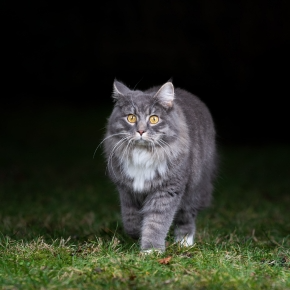
Cat safety is on every vet’s mind in Northamptonshire as the nights start to get darker much earlier. Sadly, this time of year often sees a rise in the number of cats brought to Daventry Veterinary Clinic and other veterinary practices after being involved in road traffic accidents at night.
If your cat doesn’t return after a night of wandering, contact our team in Daventry by calling 01327 877767. Our veterinary nurses will check if a cat matching the description has been brought in.
Our team at Daventry Vets want cat owners to know that dark night safety for cats starts at home. To help you, our team have put together a checklist of things you can do to help your cat stay safe during autumn and winter nights in Northamptonshire, including:
- Ways to encourage your cat to stay indoors at night
- Making your cat more visible to drivers
- A cat microchipping reminder…
Download our Dark Night Cat Safety Checklist
Why do cats wander at night?
We asked our vets in Daventry to explain why cats like to wander at night, here is what they said: “Cats are naturally crepuscular, meaning they’re most active at dawn and dusk. Their heightened senses and excellent night vision make them feel comfortable exploring in low light. Instinctively, night-time roaming is linked to their hunting behaviour, as this is when prey is typically active. Additionally, the quiet and calm of night can make it more appealing for cats to patrol their territory, search for food, or simply satisfy their curiosity.”
Should you stop your cat from going out at night?
Our vets share that forcing your cat to stay in at night can cause stress and anxiety, as it disrupts their natural instincts to explore and hunt during their most active hours. That said, when temperatures are exceptionally low or the weather is deemed a “risk to life” in Northamptonshire, it can be prudent to encourage them to stay indoors.
But what can you do to help them stay safe?
- Download our handy checklist with tips for cat safety at night
- Microchip your cat as a priority
Why is cat microchipping important?
At Daventry Vets, we know that cat microchipping gives your cat the best chance of being reunited with you quickly, should they have an accident or get lost at night – plus, it’s now a legal requirement if you live in England. Contact us now to get your cat microchipped or check the details on their existing chip.
Already microchipped your cat? Great! However, too many pet owners forget to update the information on the microchip database when they move house or change their phone number, making it just as hard for vets to contact them, as when there was no microchip at all. Do you need to update your details?
Not being able to locate the owner of a cat that has been found wandering or needs urgent medical attention, is something we absolutely dread at Daventry Vets.
If your cat needs microchipping, or they are missing, get in touch as soon as possible.
Before you go, here’s a little reminder to download our handy Cat Safety Checklist.

Daventry Vet Nurses on the Benefits of a Catio
Many cat owners in and around Daventry will know how much their cats love being outdoors and lounging in sunbeams. However, not all outdoor jollies are safe for our feline friends. Busy roads, wandering at night, getting into fights, out all day while you’re at work… it can certainly be a worry. Keep reading as the veterinary nurses at Daventry Vets have the purrrfect solution…
Maybe your cat would love a catio!
What is a catio?
Not just a fancy word, a catio is a creative addition to your home that could elevate your cat’s quality of life! Daventry Vets’ veterinary nurses explain how: short for ‘cat patio’, a catio is essentially a safe, enclosed outdoor space designed for cats. It provides a secure environment where your cat can enjoy being outdoors without the risks associated with roaming freely in and around Daventry. Think of it as your cat’s personal garden – a place where they can bask in the sunshine, watch the birds, and enjoy a bit of fresh air.
Got a catio already, or just popped one in your shopping cart? Share your Catio Brags on Social!
Benefits of a catio
- Safe Outdoor Access: Cats can enjoy exploring the outdoors safely whilst avoiding traffic, other animals, and getting lost, giving them a mini adventure in your garden and you, peace of mind.
- Enrichment and Exercise: A catio provides a space for climbing, scratching, and playing, keeping cats physically active and mentally stimulated.
- Reduce Indoor Boredom: A catio offers a new environment with exciting sights and smells, breaking the monotony for indoor cats.
- Fresh Air and Sunlight: Cats enjoy fresh air and sunshine, boosting their mood and overall wellbeing in a catio.
Our vet nurses also think catios are ideal during autumn and winter when the nights get darker earlier and roaming freely in and around Daventry can be more dangerous.
Choosing the right catio
Size and Space: Daventry Vets’ nurses say it’s important to consider the space you have available and your cat’s needs. Catios vary from small window boxes to large, free-standing structures. Ensure it’s spacious enough for your cat to move around comfortably, including enrichment activities like cat trees and scratching posts, and have comfortable bedding for them to relax on. Make it fun and inviting!
Safety Features: Ensure the catio is secure, durable, well-ventilated, easy to clean, and protected from the elements (with shade) to keep your cat comfortable and safe.
Accessibility: Consider how your cat will access the catio. Some attach to windows or have their own entryways. Ensure easy access for older cats with sore joints.
Suitability: Not all cats will enjoy limited roaming. A catio doesn’t have to be their only option, but it can serve as a safe choice for outdoor time when you want them close by.
Think your cat would love a catio? Go on, add a bit of adventure and luxury to your cat’s life with a catio, and provide a safe and stimulating outdoor experience that will help to keep them active, entertained, and happy! And remember to share your Catio Brags on social!
At Daventry Vets, we love helping cats have the most amazing lives.

Sarah Aldridge Shares Home Hacks to Make Life Easier for Arthritic Pets
Animal Pain Awareness Month (September) is a great time to focus on the wellbeing of our beloved dogs and cats, especially those grappling with arthritis. The team at Daventry Vets have put together a guide to help you better support your arthritic dog or cat at home.
Not sure if your pet has arthritis? The main signs in dogs and cats include limping, stiffness, difficulty jumping or climbing, reduced activity, noticeable pain during movement, and a change in demeanour.
How to help your arthritic dog or cat at home
Arthritis can make everyday activities uncomfortable for our furry friends. Getting your pet diagnosed promptly by one of our vets means they can receive the multi-modal treatment they need – this might include medication and various types of physical therapy. But Daventry Vets’ support doesn’t end there. Vet Sarah Aldridge is here to tell you that with some adjustments at home, you can significantly improve your arthritic pet’s quality of life.
1. Create comfortable resting areas
Sarah recommends providing your pet with a comfortable, quiet resting place. Choose a soft, supportive bed and position it in a calm, draft-free area. Consider an orthopaedic bed for extra comfort and ensure the bed is easily accessible (avoiding high platforms, high sides, and steps) to prevent further discomfort.
The best beds are ones that your pet can lie flat and stretch out.
2. Modify your home environment
You may need to help your pet with stairs and it may be safer to use a stair gate for dogs when you can’t supervise them. You can also help them by preventing slips on floors by using non-slip rugs or rug tape, and ensuring food and water bowls are at a comfortable height to avoid bending and stretching. Cats will benefit from low-sided litter boxes in multiple locations to reduce travel as well as ramps by furniture to help them reach their favourite spots.
3. Encourage regular exercise
For dogs, maintain regular exercise to help maintain joint health and loss of muscle, how much will depend on the severity of your dogs arthritis and their mobility level. Avoid high impact activities. Engage in low-impact play with soft toys and incorporate flexibility and core strength exercises, Sarah recommends Dogs4motion’s K9 conditioning course for seniors. For cats, Sarah recommends encouraging light exercise and play with mentally stimulating, interactive toys that don’t require excessive jumping or running.
4. Maintain a healthy weight
Excess weight can exacerbate feline and canine arthritis symptoms. It does this in 2 ways
1) The extra weight on your pet’s joints.
2) Fat produces inflammatory chemicals in the body.
Ensure your pet is the correct weight. We use body condition scoring to know when a pet is at their ideal weight. Book an appointment with our vet nurses, who can tell you what your pets body condition score is and help you with addition dietary advice.
5. Consider therapeutic aids
Sarah recommends using items like heated pet mats or blankets, which can provide soothing warmth for sore joints. Why not learn how to give your dog a soothing massage with Dogs4motions course.
What about joint supplements. Inspire of the huge number of supplements on the market their is actually very little evidence that they work. There is some evidence that distilled fish oil can help in the early stages. Please be very careful with this as if you give too much it can be toxic. Always consult with a vet before giving your pet supplements for arthritis or anything else. There are several prescription drugs that provide pain relief for arthritic dogs and cats.
6. Provide extra support
Dog harnesses or support slings can help when your dog is walking or climbing stairs. For cats, a soft, supportive carrier is ideal for vet visits or moving them around. These aids can provide additional support and reduce the strain on their joints. Ensuring your pet has easy access to all their favourite spots can also help them feel more comfortable and secure.
Managing arthritis in dogs and cats requires a combination of thoughtful adjustments and compassionate care. Animal Pain Awareness Month is a reminder of how important it is to be attentive to our pets’ needs so they can have a more comfortable and enjoyable life despite the challenges of arthritis. Get your pet checked for arthritis by one of our vets in Daventry now.
Noise Phobia in Dogs and Cats: How to Identify and Treat It
Noise phobia in dogs and cats is a common but distressing condition that can significantly impact their quality of life. This anxiety disorder causes pets to become extremely fearful of loud or sudden noises, leading to intense stress and behavioural changes. Our vets in Daventry have created this guide to help you understand noise phobia and its causes, symptoms, and treatment options to better support your furry friend.
With fireworks season just around the corner, contact the team at Daventry Veterinary Clinic to discuss which calming products for dogs or cats may help your furry friend cope.
Understanding noise phobia in dogs and cats
What is noise phobia?
Noise phobia is an intense fear or anxiety triggered by specific sounds. Unlike a simple reaction to loud noises, noise phobia involves a heightened and persistent fear that can lead to severe behavioural issues. Common noises that might trigger this phobia include thunderstorms, fireworks, sirens, or even household appliances.
How does noise phobia present in pets?
Our vets in Daventry share that pets with noise phobia may exhibit a range of distressing behaviours, including:
- Pacing and Restlessness: Pets may wander aimlessly or appear agitated.
- Hiding: They might seek refuge in enclosed spaces or under furniture.
- Vocalisation: Increased barking, whining, or meowing can be a sign of distress.
- Destructive Behaviour: Some pets may chew furniture or scratch walls.
- Shaking or Trembling: Physical signs of fear are common, particularly during loud noises.
These reactions can vary in severity depending on the individual pet and the intensity of the noise.
Contact us ahead of fireworks season to discuss calming aids for your pet.
Common causes of noise phobia in pets
Noise phobia can stem from a variety of causes:
- Lack of Early Socialisation: Pets who were not exposed to a range of sounds during their critical developmental period may be more susceptible to noise phobia.
- Traumatic Experiences: Past negative experiences related to loud noises, such as a frightening event during fireworks, can contribute to the development of this phobia.
- Genetics: Some pets may have a genetic predisposition to anxiety disorders, making them more prone to developing noise phobia.
- Environmental Factors: Changes in the environment, such as moving to a new home or experiencing sudden loud noises, can trigger or exacerbate the condition.
How to treat noise phobia in pets
Our team of experienced vets at Daventry Vets have dealt with many cases of noise phobia over the years. They advise that addressing it involves a combination of strategies to help reduce anxiety and manage symptoms:
- Create a Safe Space: Designate a quiet, secure area in your home where your pet can retreat during noisy events. Provide comfortable bedding and familiar items to help them feel safe.
- Desensitisation: Gradually expose your pet to recorded sounds of the noises that trigger their phobia at a low volume, increasing the volume over time. Pair these sessions with positive reinforcement to help them associate the sounds with rewards.
- Use Calming Products: Calming aids such as anxiety wraps, pheromone diffusers, or calming treats can help alleviate anxiety. Ask our vets in Daventry to discuss the most suitable options for your pet with you – get in touch.
- Professional Help: For severe cases, book an appointment at Daventry Vets. The vet will examine your pet for any underlying health conditions that could be contributing to their anxiety, as well as provide a tailored treatment plan, and medication if necessary. They may also discuss behavioural therapy and enlisting the help of a veterinary behaviourist.
- Maintain Routine: Keeping a consistent routine can provide stability and comfort for your pet, helping to reduce overall anxiety.
In conclusion, noise phobia can significantly impact a pet’s wellbeing, but with the right approach, it is manageable. By understanding the causes, recognising the symptoms, and implementing effective treatment strategies, you can help your pet feel more secure and less fearful. If you have concerns about your pet’s behaviour, don’t hesitate to contact our team in Daventry for advice.