How to Exercise Cats and Encourage Play
Keeping your cat fit and active is essential for their overall health and wellbeing. Just like humans, cats benefit from regular exercise to maintain a healthy weight, strengthen muscles and stimulate their minds. Encouraging cat fitness doesn’t have to be complicated – our team at Daventry Vets have come up with a few simple strategies to help your cat stay lively and engaged.
Concerned your cat is looking sluggish lately? Book an appointment and our vets in Daventry will give them a nose-to-tail check up with advice on how to get your feline friend moving again.
How to encourage feline fitness
Interactive playtime
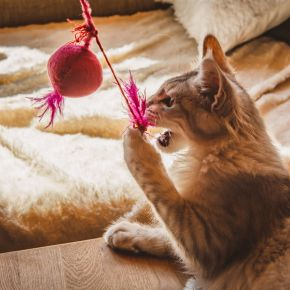
One of the easiest ways to get your cat moving is through interactive play. Toys that mimic prey, such as feather wands, laser pointers, and motorised mice, can trigger your cat’s natural hunting instincts. Our team at Daventry Vets suggest aiming for at least two short play sessions a day, each lasting around 10–15 minutes. Varying the toys will keep things interesting and prevent boredom.
Create a stimulating environment
Cats love to climb, jump, and explore. Providing vertical spaces like cat trees, shelves, or window perches encourages movement and gives them a sense of territory. Puzzle feeders and treat-dispensing toys also promote mental stimulation while encouraging physical activity.
Check out these great cat fitness ideas our Daventry veterinary nurses found on Pinterest.
Encourage natural behaviours
Scratching posts, tunnels, and cardboard boxes can inspire your cat to engage in natural behaviours that involve movement. Our team at Daventry Vets suggest rotating these items or changing their location occasionally can reignite your cat’s curiosity and keep them active.
Consider a companion
If your cat is sociable, another feline friend might help boost their activity levels. Cats often chase, wrestle, and play together, which can be a great source of exercise. However, it’s important to ensure both cats are compatible and properly introduced to avoid stress – contact us for advice on introducing cats safely.
Monitor diet and weight
Exercise alone isn’t enough. A balanced diet plays a crucial role in cat fitness, which is why you should avoid overfeeding and monitor your cat’s weight regularly. Call us on 01327 877767 for advice from our veterinary nurses in Daventry on portion sizes and suitable food options – especially if your cat is overweight or has specific health needs.
Make it fun
Above all, Daventry Vets’ cat-loving team recommend making fitness enjoyable for your cat. Pay attention to what they respond to and tailor activities accordingly. Some cats prefer chasing, while others enjoy climbing or exploring. The key is consistency and variety.
By incorporating these tips into your daily routine, you’ll not only improve your cat’s physical health but also strengthen your bond. A fit cat is a happy cat, and a happy cat makes for a happy home!
Our vets and nurses in Daventry are happy to give you tailored guidance for your feline friend – just book an appointment and together we’ll help your cat move more.
Pet Diet Advice from our Daventry Vets
A good diet doesn’t just keep your pet in shape – it can help them stay younger for longer. At Daventry Vets, we often say prevention is better than cure, and that couldn’t be truer when it comes to food. With more than half of UK dogs and cats now considered overweight or obese, the link between diet and ageing is abundantly clear.
In the article below, our vets in Daventry offer guidance on choosing the right food and what to avoid. If you’re concerned about the weight of your cat or dog, book an appointment with our team at Daventry Vets and make a healthy start today!
Book a weight or diet check-up
Pet diet advice: how to avoid prematurely ageing your pet
According to our Daventry vets, excess weight places a strain on your pet’s joints, heart, and other vital organs. It can speed up the onset of arthritis, diabetes, and even poses a higher risk for some types of cancer. But it’s not just about avoiding obesity – imbalanced nutrition can mean your pet misses out on key nutrients that support healthy ageing.
Are you feeding your pet the right food?
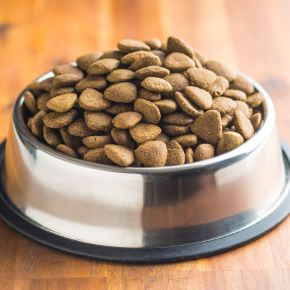
Life stage nutrition is important. Puppies and kittens need different nutrients to adult or senior pets, and nutritional needs can also depend on activity levels and a variety of other health factors. Our veterinary team at Daventry Vets recommend choosing a complete, age-appropriate food and adjusting portions based on your pet’s lifestyle and body condition – not just what the label says.
Book a nurse appointment at our Daventry vet practice and we can help you create the right dietary plan for your pet’s individual needs.
What to avoid
Human food is often too salty, sugary or fatty for pets. It can also be toxic, especially items like grapes, chocolate, onions and some artificial sweeteners (xylitol). Even ‘pet-friendly’ treats should be given in moderation. Aim to keep treats to no more than 10% of daily calorie intake.
Why regular weigh-ins help
Weight gain can creep up unnoticed. Regular weigh-ins at our vet practice in Daventry mean we can spot subtle changes before they become a bigger issue. Call us to book a weight appointment with our nurses on 01327 877767 and we can create a personalised weight-loss or maintenance plan tailored to your pet’s needs.
Keep them young at heart
Maintaining a healthy weight and balanced diet can improve your pet’s mobility, energy, and even lifespan. Think of food as medicine – it has the power to heal, support and prevent future problems. If you’d like to read more information about pet wellbeing, take a look at our pet care news.
For friendly advice on your pet’s diet and wellbeing, contact our team at Daventry Vets and we’ll help you with steps to keep your cat or dog on the road to great health through all life’s stages.

Key Things to Know About Pet Diabetes from Daventry Vets
With Pet Diabetes Month on the horizon this November, it’s a great time to raise awareness of this increasingly common condition in cats and dogs. Our vets in Daventry want to help you recognise the signs early and feel confident about supporting a diabetic pet.
To help you, our team at Daventry Vets have prepared some guidance on how to recognise the signs of pet diabetes and manage treatment. If you notice changes in your pet, don’t wait – book a check-up so we can test for diabetes and start any necessary treatment.
What is diabetes and how does it happen in pets?
Diabetes mellitus occurs when your pet’s body can’t produce enough insulin (or use it properly), meaning sugar builds up in the bloodstream instead of being used as energy. Dogs tend to develop insulin-dependent diabetes, while in cats, it’s often linked to obesity and insulin resistance.
Key signs to watch for:
Pet diabetes often creeps in gradually, so spotting it early is vital. Our vets at Daventry Vets advise to look out for:
- Increased thirst and urination
- Increased appetite with weight loss
- Lethargy
- Sweet-smelling breath
- Cloudy eyes (more common in diabetic dogs)
How is it managed?
Pet diabetes isn’t curable, but it is manageable with the right care. Many pets will need daily insulin injections (there are non-injection options for cats), a tailored diet and regular check-ins with our vets in Daventry. Many diabetic cats and dogs live happy, active lives once stabilised.
Can pet diabetes be prevented?
Not all cases are preventable, but our team at Daventry Vets explain that maintaining a healthy weight plays a major role – especially in cats. Feeding measured, balanced meals, keeping your pet active, and coming in for annual health checks can all help reduce the risk. Call us on 01327 877767 to book your next check-up.
The support you need
Managing diabetes might sound overwhelming, but our vets in Daventry are here to support you every step of the way. From showing you how to give injections to giving advice on diet choices, we’ll help you build a routine that works for your pet and for you. If you’d like to read more information about looking after your pet’s health and wellbeing, you’ll find further articles in our pet care news.
Worried your pet might have diabetes or be at risk? Book a diabetes check-up with our friendly team at Daventry Vets.
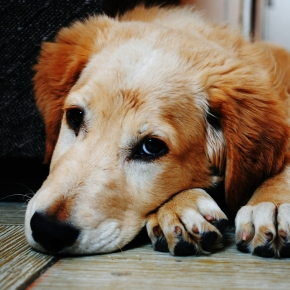
Vets in Daventry on How to Spot Chronic Pain in Dogs & Cats
If your pet was in pain, you’d notice straight away – or would you? Chronic pain, unlike sudden acute pain, can develop slowly and linger for weeks, months or even years. It’s often the result of ongoing conditions like arthritis, dental disease or spinal problems, and because the changes are gradual, they can be easy to miss.
During Animal Pain Awareness Month, our team at Daventry Vets want to help you spot the signs that something might not be quite right with your dog or cat. If you’ve noticed any changes in your pet’s behaviour, it could be more than just ‘getting older’ or ‘having an off day.’
Worried your pet could be hurting? Book an appointment with our vets in Daventry so we can give them a top to tail check-up.
Why pets hide pain
In the wild, showing weakness could mean losing access to food or safety – and our pets have inherited that same survival instinct. With chronic pain, the signs are often even harder to spot because they develop gradually. Your dog might walk more slowly over months, or your cat might start jumping onto lower surfaces instead of their usual spots. These small adjustments help them cope, but they also make it easier for ongoing pain to go unnoticed.
Our vets at Daventry Vets often find that owners only realise the extent of their pet’s discomfort once treatment begins and the difference in mobility or mood is clear.
The signs to look out for
Chronic pain can be especially difficult to recognise because it builds slowly over time. When you see your pet every day, gradual changes can be easy to overlook – what starts as a slightly shorter walk, or a little extra rest can turn into a significant loss of mobility or enthusiasm.
Our vets in Daventry recommend watching for these subtle but important signs:
- Reluctance to jump, climb or walk as usual
- Limping, stiffness or slowing down on walks
- Changes in grooming – less, more, or just in one spot
- Withdrawn or grumpy behaviour
- Pacing, panting or restlessness
- Changes in appetite or sleep patterns
In cats, particularly, pain can be incredibly well hidden. Simply going outside less or hesitating before jumping up might be your only clue.
What causes chronic pain?
Some of the most common causes of ongoing, long-term pain in pets include:
- Arthritis or degenerative joint disease
- Long-standing dental problems
- Chronic injuries or mobility issues
- Spinal conditions such as intervertebral disc disease
- Ongoing internal conditions like bladder inflammation or kidney disease
Chronic pain doesn’t just affect mobility – it can impact mood, appetite, and overall quality of life. Because it tends to creep in slowly, owners might put changes down to “just getting older,” but with the right treatment plan, many pets regain comfort and energy.
The good news is that, once identified by our vets at Daventry Vets, pain can often be treated or managed successfully, bringing real improvements to your pet’s wellbeing and happiness.
Don’t wait and see
Chronic pain rarely improves on its own – in fact, it often worsens if left untreated. Even small, gradual changes in your pet’s movement, behaviour, or energy can be early signs of something that needs attention. Acting now means we can identify the cause, create a long-term management plan, and help your pet stay as comfortable and active as possible.
Book an appointment to talk to our vets in Daventry or call us now on 01327 877767. We’re always happy to help, because no pet should have to live with ongoing pain.
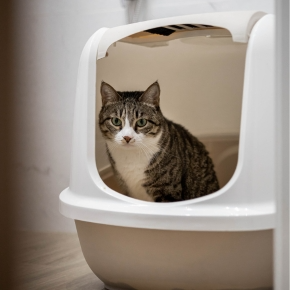
Sarah Aldridge Shares How to Spot Urinary Issues in Cats
Do you keep an eye on your cat’s toileting habits? If not, now’s the time to start. Urinary issues are among the most common signs of illness and stress in cats, and they can escalate quickly – sometimes with fatal consequences if left untreated.
That’s why Daventry Vets’ Sarah Aldridge is highlighting the importance of understanding feline urinary health and sharing the key things cat owners should know. If you’re concerned your pet cat may be suffering from urinary issues, then book an appointment to have them checked over.
Which cats are affected?
Sarah explains that male cats are at higher risk of urinary blockages due to their narrower urethras. These blockages are life-threatening and require urgent treatment. Females can also experience urinary infections and discomfort, so no cat should be overlooked. Understanding what’s normal for your cat, and acting when something changes, is crucial.
Signs of a problem
Cats are usually very clean and will toilet in a familiar place, such as a litter tray. If something is wrong, you may notice:
- Urinating outside the litter tray (e.g. on beds or in the bath)
- Straining or taking longer to urinate
- Repeated visits to the litter tray with little or no output
- Blood in the urine
- Crying or vocalising when trying to urinate
- Excessive licking around the genitals
How serious is a blockage?
If your cat hasn’t passed urine for over 24 hours, this may be a medical emergency, especially in males. Toxins can build up quickly, leading to vomiting, weakness and even collapse. Even if your cat is passing small amounts of urine, please call Daventry Veterinary Clinic’s team immediately on 01327 877767 for advice.
What causes urinary problems in cats?
Up to two-thirds of cases are classed as Feline Idiopathic Cystitis, with no clear cause. However, stress is known to play a major role. Triggers can include:
- Home changes (e.g. moving house or renovations)
- New pets, babies, or household tension
- Competition for resources in multi-cat homes
Other causes include infections, crystals, bladder stones, tumours, or urethral plugs. Our vets in Daventry may need to examine your cat and run urine tests or diagnostic imaging to investigate. Risk factors include:
- Male cats
- Overweight or inactive cats
- Dry food-only diets
- Middle-aged cats
Treatment and prevention
Sarah explains that the treatment depends on the cause. Mild cystitis may only need anti-inflammatories, but a blocked bladder is a true emergency requiring hospital care. Keeping your cat hydrated and stress levels low are two of the best ways to protect their urinary health.
Helpful tips:
- Add wet food to boost moisture intake
- Offer multiple water bowls or a pet fountain
- Give each cat their own litter tray, bed, and feeding area
- Keep litter trays clean and easily accessible
- Encourage play and exercise daily
Urinary problems can be complex, but many are manageable with early intervention. If something doesn’t seem right, please book an appointment, or in an emergency, call our vets in Daventry on 01327 877767.

Pet Calming Tips for Firework Season
As the days grow shorter and the nights colder, firework season is fast approaching. While we may look forward to the colourful displays, for many pets, fireworks around Northamptonshire can be a source of intense stress and anxiety. But the good news is that preparing now can help your furry friends feel more secure when the loud bangs start in late October and November.
In this article, our team at Daventry Vets share some essential steps to help your pets stay calm during firework season, whether they’re dogs, cats, rabbits, or guinea pigs. We’re also here to talk about calming aids if you feel they might be needed.
Contact us about ordering calming aids
Prep now for firework season: helping your pets stay calm
1. Create a safe space
One of the most important things you can do for your pet is provide them with a safe, quiet place to retreat to during firework displays in Northamptonshire.
- For dogs and cats: Choose a room that’s far from the noise. Close windows, pull down the blinds or draw the curtains, and consider playing calming music or white noise to mask the sounds of fireworks.
- For rabbits and guinea pigs: Set up their cage in a room that’s secluded from outside noise. Make sure it’s in a location where they feel secure but can still see their familiar surroundings.
2. Familiar Scents and Comfort Items
Our team at Daventry Vets advise that a familiar smell can help reassure your pet when they’re feeling frightened.
- For dogs: Keep their favourite blanket, toy or a piece of your clothing nearby to comfort them. You can also consider a pheromone diffuser (ask our team for advice), which mimics calming scents that dogs find soothing.
- For cats: Cats are scent-driven, so having their favourite blanket or bed with them in their safe space can help them feel more secure.
- For rabbits and guinea pigs: Include their usual bedding or hay and keep the cage in a familiar, quiet area. They can also benefit from a soft, cuddly hideout.
3. Consider Calming Products
Our vets in Daventry suggest several types of calming products that can help ease anxiety.
- For dogs: You might want to try pheromone diffusers, anxiety wraps, calming chews, or sprays. Speak to our vets at Daventry Vets for recommendations on calming products or ask about anti-anxiety medication if your dog’s fear of fireworks is particularly severe.
- For cats: Again, pheromone diffusers or sprays can be very effective in calming cats. Some owners find calming collars work well too.
- For rabbits and guinea pigs: While these smaller pets typically don’t respond to calming sprays, keeping them in a dark, quiet place can help them feel safer.
Ask our team about the best pheromone diffusers and other calming products available for dogs and cats, and when they should ideally be started. Some pet calming products, such as diffusers, work best when started a few weeks before the events, so now is the ideal time to get advice and get them ordered.
4. Training and Desensitisation
The earlier you start, the better. Training your pet to be more comfortable with loud noises in Northamptonshire can take time, but it’s possible to desensitise them gradually.
- For dogs: Start by playing firework soundtracks at a very low volume and slowly increase the volume over time. Pair this with positive reinforcement (treats and praise) to help them associate the sounds with good things.
- For cats: You can use similar sound desensitisation techniques for cats. Try playing gentle noises, gradually introducing louder sounds as your cat becomes more comfortable.
- For rabbits and guinea pigs: They are more sensitive to loud noises, so it’s important to focus on keeping them in a calm, secure environment. You can get them used to soft background noise gradually, but always ensure they have a safe place to retreat.
5. Vet Consultation
If your pet experiences severe anxiety during firework season, it’s always a good idea to consult our vets at Daventry Vets as early as possible. They can offer tailored advice, recommend pet calming products and medications, or suggest more advanced behaviour therapies.
Remember, some calming aids can work best if they are started sooner, so don’t delay.
Order calming aids now or book for advice

Summer/Autumn Rotting Apple Risks for Pets in Northamptonshire
As apples start to drop and ferment around Northamptonshire in late summer and early autumn, your garden might smell sweet – but for pets it can be a sticky trap of sour tummies, stings and unexpected hazards.
Got apple trees or fruit on the ground near you? Keep reading to help your pet steer clear of seasonal trouble. If you’re concerned about a sting or a scavenged snack, don’t hesitate to reach out to Daventry Vets for more advice.
Why rotting apples are troublesome for pets
Fallen fruit may seem harmless, but once it starts to rot, it can pack a punch. Daventry Vets’ Sarah Aldridge explains how as apples break down, they begin to ferment naturally and that’s where the problems start.
For dogs and cats: A quick bite of fermenting fruit might cause digestive upset, vomiting or diarrhoea. In larger amounts, it can even lead to alcohol poisoning, especially in smaller pets.
For rabbits and guinea pigs: Rotting apples are far too sugary and acidic for their sensitive systems. If your rabbit or guinea pigs’ hutch or outdoor run is near to fruit trees and can’t be moved, Sarah advises owners to regularly check for fallen fruit and immediately remove any to prevent accidental ingestion.
The wasp problem: drunk, stingy and unpredictable
As if the apples weren’t enough trouble, their sugary scent attracts wasps in large numbers. Once they start feeding on the fermenting fruit, the wasps can become a bit tipsy themselves. That means:
- They’re clumsier and slower, so easier for pets to catch
- They’re more aggressive, so more likely to sting when startled
- They hang around low to the ground, right at pet-sniffing level
Veterinary Surgeon Sarah warns that wasp stings in the mouth or throat can be dangerous and painful!
Signs your pet may have eaten something dodgy
Look out for these common symptoms:
- Vomiting or diarrhoea
- Weakness or wobbliness
- Excessive drooling
- Seeming ‘drunk’ or disoriented
- Pawing at the mouth or swelling after a sting
Don’t wait to see if it passes – call our vets in Daventry on 01327 877767 for advice.
Easy ways to protect your pets
- Clear up fallen fruit daily – especially apples, plums and pears
- Keep outdoor runs and play areas away from fruit trees
- Supervise dogs on walks around Northamptonshire – many love a good forage!
- Block access to compost heaps – especially if they include food waste or fermenting fruit
- Know the signs of wasp stings – swelling, licking, or sudden discomfort
Worried about your pet?
Late summer and early autumn bring beautiful sights and smells around Northamptonshire, but they also bring some unexpected hazards. Keeping your garden clear of rotting fruit and your pet away from drunken wasps helps to avoid unplanned trips to the vet. Got a question for our team at Daventry Vets about something your pet has eaten or an insect sting?
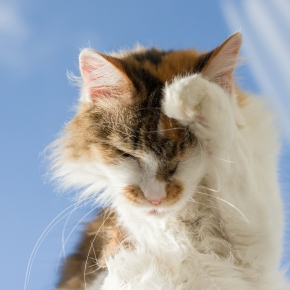
Why Late Summer Can Be Itchy Season for Pets
Scratching, nibbling, head shaking… sound familiar? Late August and September are peak times for itchy skin flare-ups in pets, and our team at Daventry Vets are expecting to see an influx of cases.
While many causes are mild, some will need treatment from our vets in Daventry to stop them from becoming serious – or seriously uncomfortable. Book an appointment if you’re concerned for your pet.
So, why do some pets itch more in late summer?
Temperatures in Northamptonshire often have a surge during late August and September, creating the perfect conditions for skin irritation. Here’s why late summer heat can prove tricky:
- Fleas love the heat: Fleas and flea eggs thrive in warm, humid conditions and some dogs and cats are allergic to their bites.
- Grass seeds are lurking: These sharp little nuisances can work their way into the paws, ears and even eyes of pets, causing discomfort or infection.
- Pollen allergies peak: Just like us, pets can have seasonal allergies. Late summer weeds and grasses may be the culprits.
- More time outdoors: Trips to the park and woods around Northamptonshire, or at home in your garden, mean more contact with irritants and insects.
Signs your pet may be struggling
Our team at Daventry Vets advise that if you spot any of these signs, it’s worth booking a check-up:
- Constant scratching or licking
- Red, sore or flaky skin
- Bald patches or thinning fur
- Head shaking or ear scratching
- A bad smell from the coat or skin
How you can help your pet at home
There are a few things pet parents can do to stay ahead of late summer skin problems:
- Use regular, vet-approved flea treatments from Daventry Vets
- Check paws and ears after walks – especially in grassy areas
- Wipe down fur with a damp cloth after outdoor time to remove pollen
- Groom regularly to remove loose hair and keep the coat healthy
When to see the vet
Persistent itching or sore skin can lead to infections or ongoing discomfort, so it’s best not to wait. A check-up with our vets at Daventry Vets can help identify the cause – whether it’s fleas, allergies, grass seeds or something else – get an appointment booked and your pet feeling more comfortable fast.

Moving House with Pets? Top Tips from Daventry Vets
Moving house can be exciting – but it’s also a big upheaval, especially for your pets. With August being the UK’s busiest month for house moves, now is a good time to think ahead and make the transition as smooth as possible for your faithful friends.
Our vets in Daventry have shared tips to help you prepare below, but don’t hesitate to call us for more tailored support. They can also talk to you about whether using a calming pet plug-in at least a month before your big move could help your pet keep calm.
Daventry Vets’ 5 top tips for calm pets during house moves
1. Keep routines consistent
Daventry Vets’ vets reveal that pets feel safest when their day-to-day routine stays the same. In the lead-up to your move, try to feed them, walk them, and settle them for the night at the usual times. Even if boxes are piling up around them, this predictability helps reduce anxiety.
Play sessions are important for reducing anxiety and keeping things normal too; our team encourage you to throw a ball or dangle a feather teaser toy in between the maze of boxes!
2. Prepare a safe travel plan
Whether your pet is travelling in a carrier, crate or car seat harness, our vets in Daventry advise that it’s important make sure they’re comfortable and secure. Dogs and cats may benefit from short trial runs before moving day, especially if they don’t travel often. For smaller pets like rabbits or guinea pigs, make sure carriers are well-ventilated and shaded from heat.
3. Set up a quiet space on arrival
Unpacking can be chaotic. Our vets at Daventry Vets suggest creating a calm, enclosed area for your pet with familiar blankets, toys, and their usual food and water bowls. For cats, it’s usually best to keep them indoors for at least two weeks while they adjust to their new surroundings.
4. Let them explore gradually
Allow your pet to explore the new space at their own pace. Start with one room and slowly open up access as they grow in confidence. Cats, in particular, will appreciate this steady approach – rushing can cause stress or lead them to try to escape.
5. Don’t forget registration and microchips
Once you’re settled, remember to update your pet’s microchip details with your new address. You’ll also want to register with your new local vet or update your details if you’re staying with Daventry Vets.
Need help preparing for the move? Get in touch with our experienced vets in Daventry if you’d like advice tailored to your pet’s needs – and ask about calming products for dogs and cats if your think your pet will be particularly anxious.
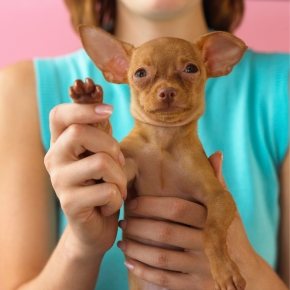
Daventry Vets’ Guide to Getting a New Pet
Choosing the right pet is about more than cuteness (though that certainly helps). The best pet for you will fit your lifestyle in, personality and daily routine in Northamptonshire. So, are you a dog person, a cat person, or would another animal be a better match?
Need a second opinion? Our team are always on hand to offer advice, so don’t hesitate to get in touch.
Contact us for advice on new pets
And don’t forget to register your new pet with us at Daventry Vets.
Dogs: Loyal companions who love your company
Dogs tend to suit people who:
- Enjoy outdoor walks around Northamptonshire (in all weathers)
- Are home regularly or can make time for play and attention
- Don’t mind a bit of training and routine
- Have enough space for a lively tail-wagger
If you’re looking for a sociable, active companion and have time to invest in their care, Daventry Vets’ team believe that a dog might be the perfect match.
Cats: Independent but affectionate housemates
Cats are a good fit for those who:
- Prefer a more low-maintenance pet
- Are out during the day but around in the mornings or evenings
- Appreciate quiet companionship
- Live in a smaller space, like a flat (indoor cats only) in Daventry
While some cats are incredibly affectionate, they’re often on their own schedule – perfect if you like your space too.
Could another pet be a better fit?
If dogs and cats don’t quite match your routine, don’t worry as there are plenty of other pets to consider:
- Rabbits or guinea pigs – Daventry Vets’ team say they are great for quieter homes, especially with older children
- Fancy rats – Sociable, clever and fun to interact with
- Hamsters – Independent, nocturnal and good for those with limited space
- Fish or reptiles – Calmer to watch and care for, with different types suited to different experience levels
Some pets are more hands-on than others and each one has unique care needs.
Still not sure?
There’s no one right answer, it’s all about finding a pet that fits into your world and brings you joy. Take your time, ask questions and think about the long term. Once you’ve decided on your furry companion, register your new pet with us at Daventry Vets.
Contact us for tailored advice if you’re considering a new pet. We’re happy to chat about what might suit your lifestyle and help you make the best choice for you, and them.
Contact us for advice on new pets