Bored of Your Northamptonshire Dog Walks? How to Spice Things Up
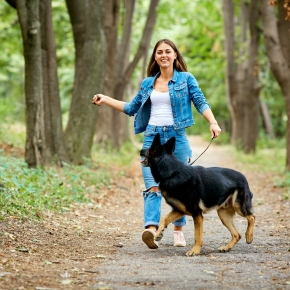
We all know the importance of daily walks for our canine companions. It keeps them physically fit, mentally stimulated, and provides a chance to explore the great outdoors. But let’s be honest, sometimes those Northamptonshire walks can fall into a bit of a rut – the same route, the same sniffs…
Here at Daventry Vets, we believe walks should be a time of joy and bonding for both you and your furry friend. So, let’s inject some fun and keep those tail wags going strong with these ideas below.
If you’re passing on your walkies, pop into our vet practice in Daventry so we can give your dog some extra cuddles and treats, which is extra mental stimulation for them too!
Embrace the Unexpected:
- Find some new walks: Explore a new park, neighbourhood, or even a hiking trail (suitable for your dog’s fitness level, of course). New sights and smells will keep your dog engaged and excited. If you can recommend any good dog walking routes in Northamptonshire or beyond, share them on our Facebook page to help other dog owners.
- Ditch you usual route: Even if you’re going to the same park vary your route in the park. Humans like to walk on paths, go round the edge, dogs are much more random. Why not zig zag, turn around and walk the other way for a bit. This is great for improving your dogs connection with you as they’ll need to check where you are.
- Scent-sational Adventures: When your dog isn’t looking, hide some treats along your route for your dog to sniff out (pop them in a small foldaway dog bowl if you prefer). This adds a playful element of surprise and mental stimulation. Don’t have a foodie, use a ball or toy instead, just drop it in some long grass and get your dog to search for it.
- The Great Fetch Up: Pack a ball, frisbee, or their favourite toy and find a safe, open space for a good game of fetch.
Bonding Through Training:
- Trick Time: Why not stop and practice some basic or fun tricks your dog has learned. Positive reinforcement with praise and treats makes training a joy for both of you.
Let us know what you think of these ideas on our Facebook page – we’d love your feedback!
Social Butterfly Walks:
- Dog-Friendly Outings: Plan your walk around a dog-friendly cafe or park. This allows your dog to socialise with other dogs while you relax with fellow pet owners. Just be sure to supervise interactions and ensure all dogs are comfortable.
- Buddy Up: See if a neighbour or friend with a dog wants to join your walks for a social outing. This provides extra playtime and interaction for both dogs, keeping them entertained.
Our dog-loving team in Daventry say it’s wise to remember to:
- Adjust the activities based on your dog’s age, breed, and fitness level.
- Always be mindful of the weather and provide fresh water on walks, especially in hot weather.
- Most importantly, have fun and enjoy the quality time spent with your furry friend!
Want to reward your pup for all their walking efforts? Pop into our practice for some delicious dog treats! While you’re here, our friendly team are also happy to answer any questions you might have about your dog’s health and wellbeing.

Sarah Shares 8 Things You Probably Didn’t Know About Fancy Rats
Ugh, rats! That’s probably the first reaction many people have when they hear about rats as pets. But hold on a minute, because these misunderstood creatures deserve a much better reputation! Vet Sarah Aldridge implores everyone to ditch the negative stereotypes and join them as they delve into the reasons why fancy rats actually make fantastic pets!
Do you have a fancy rat or two at home? Share a photo or video and your favourite thing about them on our Facebook page and help us raise awareness of their awesomeness in Northamptonshire!
Show Off Your Fancy Rats on Facebook
Before we dive in, let’s answer a common question.
What is a fancy rat?
A fancy rat is a domesticated breed of the brown rat (Rattus norvegicus) commonly kept as a pet. These intelligent and sociable animals are bred for their friendly temperament and diverse coat colours and patterns.
Do fancy rats make good pets?
Vet Sarah Aldridge loves fancy rats and having treated many of them over the years, wants to help wannabe pet parents in Northamptonshire understand their many qualities when considering a small pet for their family.
Sarah’s 8 reasons to get a fancy rat as a pet:
1. Brainy Bunch: Forget the image of a mindless sewer dweller. Fancy rats are surprisingly intelligent and can be trained to do tricks, navigate mazes, and even recognise their names! Sarah shares that fancy rats love mental stimulation and will thrive on interactive games and activities.
Check out the tricks that Fancy Rats Suki, Shadow, Paris, Raven and Famous can do on YouTube! Who is your favourite?
2. Cuddly Companions: Yes, you read that right! Fancy rats are incredibly social creatures who love to cuddle, groom each other, and snuggle up in your lap. They form strong bonds with their human companions and crave affection – we love this for the both of you!
3. Cleanliness Counts: Sarah shares that contrary to popular belief, fancy rats are actually very clean animals. They spend a significant amount of time grooming themselves and their cage mates. With proper care, their habitat can be surprisingly odour-free.
4. Low-Maintenance Lifestyles: Compared to other pets, fancy rats are relatively low maintenance. Their cage needs regular cleaning, but they don’t require walks, extensive grooming, or a dedicated outdoor space.
5. Pocket-Sized Pals: Fancy rats are compact and cuddly, making them perfect for smaller living spaces. Their playful personalities and curious nature are endlessly entertaining, all in a package that won’t take over your entire home.
6. Budget-Friendly Buddies: According to Sarah, fancy rats are a much more affordable pet option compared to cats, dogs, or even some exotic animals. Their food, bedding, and toys are readily available and won’t break the bank.
7. Laughter Guaranteed: Their playful antics and mischievous personalities are a constant source of amusement. Watching them explore, scamper, and interact with their environment is a guaranteed mood booster.
8. They are not nocturnal: Rats are active during the day unlike some small pets which are nocturnal and sleep during the day so are less interactive with their owners.
So, the next time you hear someone scoff at the idea of fancy rats as pets, Sarah encourages you to share the truth! These intelligent, affectionate, and low-maintenance creatures can bring joy, laughter, and companionship to any household. They might just surprise you and become your favourite furry friends!
Before you go, if you’re a proud keeper of fancy rats, share a photo or video and your favourite thing about them on our Facebook page. Together we can show everyone in Northamptonshire just how amazing they are!
Vet Sarah Aldridge Shares Why Cats Soil Indoors and Ways to Help
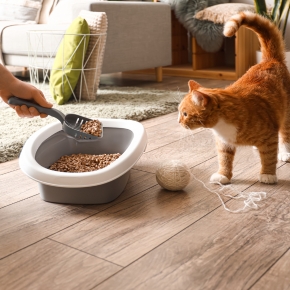
Cats are known for their impeccable grooming habits. So, it can be quite a surprise and a concern if your usually clean cat starts eliminating outside their litter box. While the occasional accident might happen, persistent indoor toileting (also known as inappropriate elimination) shouldn’t be ignored.
Here at Daventry Vets, we understand how frustrating and upsetting this behaviour can be for both you and your cat. Our Vet Sarah Aldridge has a wealth of experience in this area and is sharing some reasons why your cat might be using your home as their new toilet, and what you can do about it below.
Why your cat could be soiling indoors
Medical:
1. Urinary Tract Issues: Urinary tract infections, bladder stones, or other urinary problems can cause discomfort and lead to inappropriate urination.
2. Diabetes or Kidney Disease: These conditions can increase thirst and urination, making it difficult for your cat to reach the litter box in time.
3. Painful Elimination: Arthritis and other painful conditions can make using the litter box uncomfortable, prompting your cat to find a softer spot. If your cat normally toilets outdoors, pain could be causing them to struggle with the cat flap.
Sarah recommends booking a check-up for your cat at our vet practice in Daventry, so we can rule out the above or get your cat the treatment they urgently need.
Litter Box Blues:
4. Location, Location, Location: Is the litter box in a quiet, easily accessible location? Loud noises or heavy foot traffic might deter your cat from using it.
5. Cleanliness Counts: Cats are very particular about hygiene. A dirty litter box is a major turn-off. Scoop waste daily and completely change the litter regularly.
6. Box Style Matters: Some cats prefer open litter boxes, while others prefer covered ones. Experiment to see what your cat finds most comfortable.
7. Not Enough Boxes: Sarah advises that the general rule is one litter box per cat, plus an extra one. For a multi-cat household, consider having boxes on different floors or in separate areas.
8. Not enough litter: Always make sure there is plenty of litter in the tray.
9. Type of litter: some cats gets very used to a type or brand of litter and don’t like it changing.
10. Perfumed liners, litters or sprays: We may think it makes the litter tray smell better. Your cat won’t and may avoid the litter tray
Stressful Situations:
11. New Arrivals: A new pet, baby, or even changes in furniture placement can cause stress in your cat, leading to inappropriate elimination.
12. Feeling Unsafe: Does your cat feel threatened by other pets in the house or outside? Providing them with hiding spots and safe spaces can help them feel more secure.
What to do if your cat is soiling indoors
- Schedule a Check-up: Sarah advises that the first step is to rule out any underlying medical conditions. Book a check-up with us at Daventry Vets to discuss your cat’s elimination habits and overall health.
- Investigate the Environment: Consider the factors mentioned above and adjust the litter box setup, location, and overall household environment to see if things improve.
- Interim Solutions: If your cat is soiling in a particular spot (or two), scrub the area with pet-safe cleaning products to remove/mask their scent and avoid this becoming a long-term ‘toilet spot’. You could also try using cat training pads in the interim to keep your home clean whilst you investigate.
- Patience and Care: Addressing inappropriate elimination can take time and patience. Focus on creating a positive association with the litter box and avoid punishment, which can worsen the problem.
By understanding the reasons behind your cat’s indoor toileting and taking steps to address them, you can help your feline friend return to using their litter box and create a more harmonious household for everyone.
We’re here to help your cat stay healthy and happy so don’t hesitate to book a cat check-up with us via our website, or call us now on 01327 877767.
Sarah’s Socialisation Refresher Tips for Grown-Up Dogs
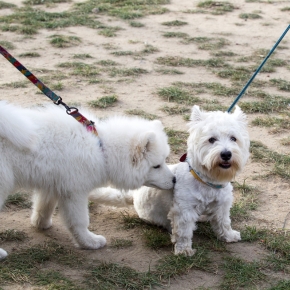
As our beloved dogs age, their behaviour and social skills can sometimes regress. Sometimes a previously well-socialised dog to develop new anxieties or react poorly in certain situations. Older dogs can often struggle in completely new enviroments. This is where refreshing your grown-up dog’s social skills can make a significant difference. In this article, Vet Sarah Aldridge explains how you can help your adult dog regain their social confidence.
Before we dive in, Sarah stresses that it’s important for Northamptonshire dog owners to know that some changes in behaviour can also be linked to pain and illness, especially in older dogs. A vet health check can help identify any underlying issues that might be causing or contributing to your dog’s behaviour changes. Book a check-up at Daventry Vets before starting a re-socialisation journey with your dog.
Why refresh your dog’s socialisation skills
Sarah shares that a well-socialised dog is generally calm, confident, and comfortable in various environments and situations. They can interact peacefully with other dogs and people, displaying natural behaviours like sniffing, playing, and friendly barking. However, if a dog’s social skills deteriorate, they might become fearful or reactive, exhibiting behaviours such as cowering and trying to get away, or loud barking, growling, and even aggression.
Why a dog’s socialisation skills deteriorate over time
- Lack of Regular Practice: Over time, without consistent reinforcement, a dog’s training can slip.
- Life Stage Changes: Older dogs may develop physical issues like stiff joints, making them less eager for play and more prone to defensive behaviours – book a check-up.
- Traumatic Experiences: Negative experiences, such as being attacked by another dog, can lead to increased anxiety and fearfulness.
Try Sarah’s refresher socialisation tips for adult dogs
Before you begin, Sarah says it’s wise to remember that refreshing your dog’s socialisation skills requires patience, a structured approach, and positive reinforcement. Use their favourite treats to reward them, do short sessions and play with them afterwards. Here are some effective strategies:
1. Refresh Basic Commands & Training: Before tackling socialisation, ensure your dog’s basic training is solid. They should respond well to commands like sit, down, stay, and walk nicely on the lead.
2. Experience Different Environments: Gradually reintroduce your dog to various environments. Start with calm, familiar places like a friend’s house or your local Northamptonshire park. Reward positive behaviour with treats and praise. Once your dog is comfortable, slowly introduce busier locations like town centres and dog-friendly shops. Garden centres can be an ideal outing for your dog to practice their socialisation skills.
3. Meet Other Dogs: If your dog used to be sociable but has started to regress, this strategy is crucial to re-master to ensure happy and safe adventures together. Introduce your dog to other dogs in a controlled setting. Begin with parallel walks, then progress to off-leash interactions and play if they want to in secure areas. Always monitor interactions closely to ensure they are positive. Sarah advises choosing a controlled environment away from home, as dogs are naturally territorial over their own space.
4. Join Dog Training Classes: Enrolling your dog in training classes can be beneficial for the both of you. These classes provide structured environments for social interaction and learning new commands, reinforcing positive behaviours. We recommend trainers who only use positive reinforcement. The institute of modern dog trainers and The association of pet dog trainers both use positive reinforcement and have find a trainer functions on their websites.
We hope you found Sarah’s adult dog socialisation refresher tips easy to follow. If you have any queries, we’re always here to help. If you have concerns about your dog’s change in behaviour, book a health check with one of our vets before working through the guide, to find out if pain or an underlying illness could be a contributing factor.
And remember, patience, structure, and positive reinforcement are key. If you encounter challenges, don’t hesitate to consult a professional trainer for guidance.
Daventry Vets Shares Reunion Tales of Long-Lost Microchipped Cats
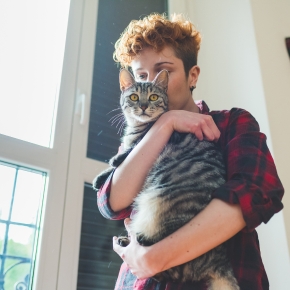
The team at Daventry Vets team know there’s nothing quite like the bond between a cat and their owner. Unfortunately, sometimes our beloved feline friends go missing, leaving a void in our hearts. However, thanks to the power of cat microchipping, many of these long-lost cats have been joyfully reunited with their humans. With the recent enforcement of the new microchipping law for cats in England, we believe it’s an ideal time to highlight the importance of microchipping and share some heartwarming stories of happy reunions.
Heartwarming reunions of long-lost cats
Daventry Vets’ team have found some incredible reunion stories of lost cats, showing that there is always hope if your cat has been microchipped. Read on to learn about Toby, Fred, and Oscar and our very own story of a cat who travelled far from home.
Toby, missing for 11 years, returns home
After fearing Toby was gone forever in 2012, this adventurous tabby was miraculously returned home to his astonished owners 11 years later! A quick scan of Toby’s microchip by Cats Protection revealed his owner’s contact details, leading to an emotional reunion. Read Toby’s full story here.
Fred turns up 5 years later, 2 miles away
Fred’s owner was devastated when he went missing in 2019. Turns out he had been living as a stray before being taken in by a kind elderly man, who took Fred to a local vet for a checkup. The microchip scan brought unexpected joy to his owner who had given up hope of ever seeing him again. Read Fred’s full story here.
Book a cat microchipping appointment now at our vet practice in Daventry.
Oscar, lost in a snowstorm, gets a happy reunion
In the heavy snow of January 2022, Oscar took off and didn’t return home. After endless searching and social media posts, Oscar’s owner presumed him dead. Then one day, 3 years later, a vet called to say Oscar had been living in a garden just 6 miles away and had been identified by his microchip! Read Oscar’s full story here.
Welsh cat finds himself in Daventry
A few years ago now one of our clients asked if we could scan a cat that was new on their close. No one on the close recognised him and he had appeared suddenly. One of our nurses scanned the cat, and they were relieved to find he was microchipped. They looked up the number to find he was from Wales! His owner was contacted and it turned out they lived opposite a caravan park, so he had hitched a lift to Daventry in a caravan! His owners were overjoyed to be reunited with him.
The importance of Cat Microchipping
These incredible stories are not just rare occurrences. Our team say they highlight the vital role that cat microchipping plays in reuniting lost cats with their owners. The new law, which came into effect on June 10th 2024, mandates that all cats in the UK over 20 weeks old must be microchipped. This regulation aims to reduce the number of lost cats and increase the chances of reunions like the ones mentioned above.
It’s not too late to microchip your cat
If you haven’t yet microchipped your cat, it’s not too late. Daventry Vets highlights some compelling reasons why you should book your cat’s microchipping appointment without delay:
- Quick Identification: A microchip is a reliable and permanent solution to ensure your cat can be identified if they ever get lost, unlike collars and tags, which can come off.
- Peace of Mind: Knowing that your cat has a microchip gives you peace of mind. Should your pet ever wander off, there’s a higher chance of them being reunited with you.
- Legal Requirement: Complying with the new law helps to avoid fines and ensures that your cat is part of a nationwide effort to improve cat safety and welfare.
The recent stories of long-lost cats being reunited with their owners underscores the immense value of microchipping. As we adjust to the new cat microchipping law, let’s take proactive steps to ensure our beloved pets are protected. Don’t delay – get your cat microchipped at Daventry Vets today.
Navigate Pet Food Shopping with Daventry Vets
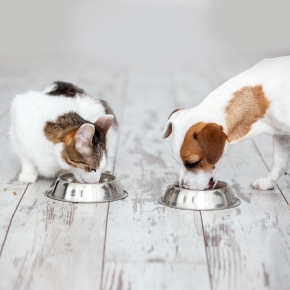
You’re not alone when it comes to having trouble choosing the best pet food for your dog or cat. With 10.5 million tonnes of pet food products sold annually across Europe and a 5.1% annual growth rate for this industry*, it’s no wonder you can feel flummoxed!
Our veterinary team at Daventry Vets have crafted a simple guide to help pet owners in Northamptonshire navigate the process of pet food shopping.
As vets, we’re often asked about the vast array of pet food choices on the market. From kitten kibble, home cooked, raw, fresh cooked commercial, senior support, the options can be overwhelming. Yet, there’s a straightforward explanation for this diversity: a pet’s nutritional requirements evolve throughout their lifespan. Let’s delve into why life stage matters in pet food, decipher what “complete pet food” means, and underscore the importance of consulting with a veterinary professional for maintaining your pet’s health.
Life stages of your pet
- Growth: Picture a lively puppy or kitten with endless energy and a hearty appetite, fuelling their adventures and growth. Puppy and kitten food is rich in protein, calcium, and essential nutrients to support their rapid development. There are scientifically calculated nutrient requirements for this lifestage.
- Adult: Once your pet reaches adulthood (around 1 year for cats and varying for dogs depending on breed), their growth rate slows down. Adult pet food provides the balanced nutrition they need to maintain a healthy weight, support their immune system, and keep them active.
- Golden Years: As pets age, their bodies change. Senior pet food often has lower calorie content to help prevent weight gain. Not all senior pets will need senior food especially if they are very active. Vet Sarah feeds her senior dog adult food as he is very active, fit and ideal body condition.
Our experienced team at Daventry Vets can advise you on all of this – book a tailored nutrition appointment now.
What does “complete pet food” mean?
You might see the term “complete pet food” on packaging. Our vets in Daventry advise that it signifies the food meets all your pet’s nutritional requirements for their life stage, as set by organisations like the European Pet Food Industry Federation (FEDIAF). This means you don’t need to add any supplements unless specifically recommended by your vet.
We recommend choosing a brand that meets the FEDIAF requirements whatever type of food you choose to feed.
Why choose high quality pet food?
Think of pet food as the foundation of your pet’s health. High-quality complete pet food, formulated for their life stage, provides the essential building blocks for a long and healthy life. It can also support digestion, skin and coat health, and even cognitive function.
Want to feed a home prepared diet?
Some pet owners want to feed a home prepared diet. Studies have shown that without proper formulation these are usually deficient in various nutrients. If you want to feed a home prepared diet we recommend using a veterinary nutritionalist to formulate this for you.
Why consult your vet?
While complete pet food offers a balanced base, every pet is an individual. Book a tailored nutrition appointment with one of our vets, who will consider your pet’s age, breed, activity level, and any specific health concerns to recommend the best pet food for their unique needs. They can also help with tricky transitions between life stages and advise on portion control to maintain a healthy weight.
Cats especially need a well-thought-out transition between different foods, as some changes in diet can negatively affect their health.
Our veterinary team at Daventry Vets want pet owners in Northamptonshire to remember: When it comes to pet food, a one-size-fits-all approach doesn’t exist. By understanding the importance of life stage nutrition, choosing good quality complete pet food, or properly formulated home prepared diets and consulting your vet, you’re giving your pet the nutritional foundation they need to thrive at every stage of their life. We don’t sell life stage diets so have no allegiance to any particular brand. We like you just want the best for your pet.
*Stats from www.europeanpetfood.org

Effective Kitten Litter Training Tips from Daventry Vets’ Nurses
Emptying your kitten’s litter box may not be the highlight of your day, but investing time in training your kitten to use it correctly can save you a lot of hassle down the line.Daventry Vets’ nursing team have compiled some invaluable advice on litter training your kitten effectively and instilling good habits for life. Read on for our nursing team’s expert tips:
Contact us for more kitten advice
Litter Box Choice and Care
When it comes to getting the set up right, Daventry Vets’ nursing team have this advice for new kitten owners in Northamptonshire.
First, choose a litter box that mimics a cat’s natural environment by considering factors like size, material, and accessibility. For example, selecting a larger litter box with low sides can resemble the open space that cats prefer for eliminating. Additionally, opting for unscented, clumping litter can replicate the texture and consistency of sand, which many cats prefer for covering their waste. Avoid covered litter boxes, which may make your kitten feel trapped. Don’t use scented liners your kitten won’t like them.
Place the litter box away from food and water bowls and keep it clean. Remove soiled clumps from the litter tray at least twice a day and wash it out at regularly. Cats are sensitive to odours, so a heavily soiled litter box may discourage your kitten from using it.
If you have more than one cat, our Daventry veterinary nurses advise that you should have one litter box per cat, plus an extra box. This means if you have two cats, they should ideally have three litter boxes, three cats should have four litter boxes, and so on. Having multiple litter boxes ensures that each cat has access to a clean and private space for elimination, which can help prevent territorial issues and encourage good litter box habits. The ideal is to have one tray per cat and one extra.
3 Easy-to-follow Litter Training Steps:
- Show your new kitten where their litter tray is as soon as they arrive – you may need to move this to an area your kitten feels comfortable in so keep an eye on them.
- Place your kitten in their litter box after an event i.e. after they have eaten, played and slept.
- Be persistent and patient to ensure good, lifelong habits. Litter training your kitten will not happen overnight but they will eventually learn to associate this time with going to the toilet and will take themselves to the litter box after each event.
Thanks for reading our article on litter training your kitten, we hope you found the advice from our Daventry nursing team helpful.
Help others by sharing our tips with friends and family who may be welcoming a new kitten into their home!

Organise Your Pet’s Life: Download Our Weekly Planner!
Welcome, Northamptonshire pet owners! Caring for our pets is rewarding, but it can be a lot to manage. From feeding schedules to grooming routines and playtime, keeping track of your pet’s needs can feel like a juggling act. That’s why Daventry Vets has created a customisable weekly pet care schedule template to help you. Let’s dive in!
Download Your Weekly Pet Planner
Why You Need a Pet Care Schedule
Pets thrive on routine and consistency, and so many of us humans. A well-planned schedule ensures your pet receives the proper care and attention they need while helping you stay organised and less stressed. Here’s how Daventry Vets’ pet planner can help:
- Print and stick the planner on your fridge for easy access.
- Keep everyone in sync with your pet’s meal & snack schedule.
- Customise planners for each pet for next-level organisation!
- Engage young children with stickers for completed tasks.
- Hand-off the planner to your pet sitter for worry-free vacations.
Plus, by establishing a regular routine, you can also identify any changes in your pet’s behaviour or health more easily and address them promptly; call us with any concerns on 01327 877767.
Cutting down on paper? Create one schedule that covers a typical week and use sticky notes for appointments and ad-hoc reminders.
Don’t have a printer? Copy the plan onto a whiteboard or chalkboard for a DIY organisation hub!
What to Include in Your Pet Care Schedule:
- Feeding Schedule: Specify meal times, portions & treats, and any dietary restrictions.
- Exercise and Playtime: Allocate time for daily exercise and play sessions.
- Grooming Tasks: Schedule brushing, teeth care, nail clipping & other grooming tasks.
- Veterinary Appointments: Keep track of upcoming visits and treatments at Daventry Vets.
- Medication Schedule: Note dosage, frequency, and administration instructions.
- Training Sessions: Set aside time for training and teaching new tricks or commands.
- Socialisation Opportunities: For dogs, plan outings and playdates for socialisation.
- Quiet Time: Allow your pet time to rest in a comfortable environment.
- Emergency Contacts: Include vet and emergency contact information, and pet sitter or caregiver contacts in case of emergencies.
Ready to Get Started?
Download Daventry Vets’ weekly pet care schedule template and personalise it to fit your pet’s needs. Stick it on your fridge so everyone can get involved!
Download the Template and Get Started
Now you can stay organised and consistent with your pet’s care, creating a harmonious environment for your pet to thrive. Here’s to happier, healthier pets and stress-free pet care routines!
Share this article and template with your pet-loving friends and help everyone simplify their pet’s care.

Top Tips from Sarah on Summer BBQ Pet Safety
Ah, the sizzle of sausages, the aroma of burgers on the grill… there’s nothing quite like a summer barbecue with friends and family. But while we humans may be drooling over the delicious delights cooking up, let’s not forget about our furry friends who are eager to join in on the fun. To ensure a paw-some barbecue experience for everyone, here are some top tips from our Vet, Sarah Aldridge at Daventry Vets, to keep your pets safe and happy around the grill.
And just in case you need it, here is the emergency number for our vets in Daventry – 01327 877767.
See our contact and emergency information
How to Grill & Chill this Summer
If you know your pets will be into everything, it may be wise to keep them indoors, but if your pets can handle your ‘BBQ rules’, here’s Sarah’s tips for how to Grill & Chill:
- Create a ‘Safe Zone’: First things first, Sarah recommends establishing a designated ‘pet zone’ away from the grill and cooking area. Set up a shady spot with water bowls and comfy bedding where pets can stay cool while you flip the burgers. Portable pet pens are handy for this.
- Keep an Eye on Pets: Naturally, the sight & smell of food cooking on the grill will tempt pets to investigate. To prevent them from getting too close to the grill or attempting to steal barbecue food, keep a close eye on them or put someone on ‘grill guard duty’ to steer roaming pets away to safety.
- Beware of Hot Surfaces: Grills can reach scorching temperatures that pose a burn risk to curious noses and paws, long after cooking has finished. Sarah suggests using a grill cover or barrier to prevent pets from accessing the grill area altogether to avoid accidental burns, and have a plan for hot ash afterwards – see our emergency information.
- Pet-safe Barbecue Foods: While it’s tempting to share your barbecue feast with your furry pals, not all barbecue foods are safe for pets. Avoid giving them toxic or harmful foods like onions, garlic, grapes, chocolate, chicken bones, corn on the cob, and foods high in salt, spices, fatty juices, or sugar. Stick to pet-safe treats like plain grilled chicken or lean meat without seasoning. Consider grilling apple, mango, or cucumber for a tasty BBQ treat, if your pet can eat them or why not give them some of their favourite dog or cat treats.
- Watch Out for Falling Food: Accidents happen, and tasty treats may accidentally fall onto the ground. Picking up dropped food instantly will prevent pets from eating it; some items may pose a choking hazard or cause gastrointestinal upset.
- Keep Your Pets Hydrated: Provide plenty of water during the barbecue festivities for pets to drink. If they seem unwell, call our vets in Daventry on 01327 877767.
- Have a Plan for Leftovers: Clearing up thoroughly straight after a BBQ is vital when you have pets. Disposing of barbecue leftovers and scraps promptly and securely will prevent dogs and cats from scavenging through the rubbish. Leftover bones, skewers, and other barbecue remnants can pose choking or get stuck in their intestines, a top culprit for getting stuck is corn on the cob.
With these grill-tastic tips in mind, you and your furry friends can enjoy a safe and enjoyable barbecue season together in Northamptonshire. Plus, you’ll be helping to keep wildlife safe too! So, fire up the grill, gather your friends and family, and let the summer celebrations begin!
And remember, call 01327 877767 in an emergency.

Cat Microchipping: the new regulations
The UK Government has changed the laws surrounding cat microchips in England. Daventry Vets wants all cat owners in Daventry, Northamptonshire to be aware that it is now a legal requirement for all cats over 20 weeks of age to be microchipped by the 10th June 2024.
Learn more about microchipping and book your pet in with our experienced team of cat vets.
Book your cat’s microchip appointment
Why has the law on cat microchipping changed?
In England, as a cat owner you must ensure your cat is fitted with a microchip before the 10th June 2024. After this date, owners can be faced with a fine of £500 for neglecting to microchip their cat.
It used to be recommended and not compulsory to have your pet cat microchipped however, with the increasing number of animals involved in road traffic accidents, becoming lost, stolen or injured whilst away from home, it has been difficult to identify our feline friends. Especially as collars and tags can break or be removed.
The UK Government has made a significant move towards enhancing the safety of England’s cats with this new regulation and it has been warmly welcomed by pet owners across the country.
Your microchip details
The microchip we will use at Daventry Vets will have a unique reference number that will be registered on a national database.
Having your cat microchipped is one thing but do remember to keep their microchip details up to date! After registration, it is important to note that the owner is then responsible for keeping the associated personal information up to date on the national database. This is essential in ensuring that you can be reunited with your cat for any reason.
Booking your cat’s microchip appointment at Daventry Vets
We are urging all cat owners to not delay and book their cat a microchipping appointment sooner rather than later. Protecting your pet and giving you peace of mind should not be delayed until the 10th June 2024.
Our vets can complete microchip implantation during a normal consult at our Stephenson Close practice. The microchip itself is no larger than a grain of rice and is implanted similarly to how your pet will receive a vaccination, via a special needle.
Read the official announcement regarding cat microchipping and call us on 01327 877767 to book an appointment for your pet. Alternatively, visit our online booking page today.