Canine Christmas dangers advice from Vet Sarah Aldridge
As Christmas creeps closer, we start to see an increase in the number of dogs Daventry Vets sees for seasonally related illnesses and injuries. Vet Sarah Aldridge wants to make owners aware of the risks that come with seemingly harmless Christmas décor and food and encourage them to use our Pet Proofing PDF guide at home in the run-up to Christmas.
How To Pet Proof Your Home For Christmas
The sooner your dog receives veterinary treatment for any of the conditions below, the better chance they have for a smooth recovery. Contact Daventry Vets on 01327 877767 if you think your dog could need emergency veterinary treatment.
Toxic substances for dogs
- Chocolate
- Grapes and raisins
- Alcohol
- Nuts – especially macadamia nuts
- Members of the allium family eg onions, garlic, chives, leeks.
- Caffeine
- Xylitol – an artificial sweetener E number E967
Many of the food and substances above can be found on a buffet table, or around the house at Christmas time so keep watch of your dog and make sure they do not eat anything toxic. Sarah advises that foods with a lot of salt, sugar, or spice can lead to digestive issues and more serious health problems too.
What happens if my dog eats something toxic?
If you know your dog has eaten something poisonous, then call us immediately. Even if you are suspicious, still treat it as a veterinary emergency.
It is essential you let the team at Daventry Vets know what your dog has eaten and roughly how much and when, as this will impact their treatment.
Christmas Decorations
- Tinsel
- Baubles and tree ornaments
- Wrapped presents and gift wrapping
- Electric lights and cables
- Candles
- Batteries
- Real Christmas trees, pine needles can irritate feet and cause stomach upsets.
The decorations and items listed above can be toxic but also cause intestinal blockages, digestive issues or burns that will require immediate veterinary attention. Vet Sarah Aldridge advises that it’s best to keep these items out of your dog’s reach and to consider using cable covers or a tree skirt to block their access to the tree and lights!
Remember to download our Pet Proofing Your Home Guide to help you get your place set up for a safe and smooth Christmas for all – download now.
Stress, anxiety, and overindulgence
Around Christmas time, it is normal for dog owners in Northamptonshire to see more visitors. This could be a cause of stress for some dogs, and they may start to display behavioural issues. Ensure your dog has a safe space to retreat to away from the busy Christmas celebrations so they can relax when needed.
Also, as with humans, dogs tend to overindulge on special treats and edible Christmas presents. Remember to feed these, often rich foods, in moderation as part of their balanced diet to avoid tummy upsets and weight gain.
To keep your dog safe this festive season, Vet Sarah Aldridge urges you use the advice above and download our Pet Proofing guide for your home. Contact Daventry Vets on 01327 877767 if you are at all concerned about your dog – we wish you a Merry Christmas!

Vet Sarah Aldridge discusses pros and cons of wet/dry cat food
Ensuring your cat has the correct diet is an essential part of keeping them happy and healthy. There are many factors involved when it comes to choosing the correct diet, such as age, lifestyle, their health status and also their individual preferences. One of the most frequently asked questions our Vet Sarah Aldridge receives relating to cat nutrition is whether cats should eat wet or dry food. To help you decide what’s best for your pet, Sarah has put together the following advice.
Advantages of wet food
- Wet cat food can help keep your cat hydrated as it has a high moisture content. Sarah advises that cats fed wet food tend to have a higher total water intake.
- It generally is easier to chew and digest – making wet food a good option for young and senior cats, or those suffering from dental issues.
- Picky eaters tend to prefer wet food due to its strong smell and flavour.
- Wet food can be warmed to encourage cats to eat when they are unwell.
Wet food – things to consider
- Your cat could need a higher amount of food to meet their calorific needs if they are on a wet food diet.
- Wet food has a shorter lifespan and needs to be discarded only a few hours after being served.
- Wet food tends to be more expensive and needs to be refrigerated.
Advantages of dry food
- Storing and serving dry food is often easier as it does not need refrigerating and can be left out without spoiling.
- Dry food tends to be more calorie dense so your cat may require a smaller portion to meet their nutritional needs. Sarah recommends that you weigh out your cat’s food portions daily to ensure they are getting the right amount for their needs.
- You can purchase brands of food that are designed to help clean your cat’s teeth as they feed – reducing plaque and tartar build-up. Make sure you buy one with the Veterinary Oral Health Council’s (VOHC) seal of approval.
Dry food – things to consider
- If you plan on feeding your cat a dry food diet, make sure they have several bowls to drink from in different places in the house. There are numerous types of drinking fountains available too, some cats prefer theses as they like to drink from running water.
- If you are transferring your cat from wet to dry food, do it gradually over a couple of weeks to allow them to adjust their water intake.
Can you feed wet and dry food?
Many owners choose to feed wet and dry food to provide their cat with benefits from both types of diet.
Vet Sarah at Daventry Vets recommends you chat to our experienced nursing team who will be able to advise on your cat’s ideal diet depending on their specific needs. Contact us today on 01327 877767 to book a nurse consultation or for more advice about feeding your cat.

Keeping small furry pets happy during firework season in Northamptonshire
As firework season gets underway, it’s important we help our small furry pets to get through as stress-free as possible. If you have a small furry pet that normally lives outside, then read on to understand what Daventry Vets’ nursing team advise owners to organise ahead of firework displays in Northamptonshire.
If you have any questions then do not hesitate to contact us.
Why does my small furry pet need to come inside during fireworks season?
There are a number of reasons why our Daventry veterinary nurses recommend bringing your outdoor kept small furry pets inside in a cool room of your house, or a shed or garage when it’s firework season Once indoors, you can help decrease the noise and flashes by closing curtains and leaving the lights on in a house. If you are unable to bring the hutch inside turn it against the wall to decrease the flashes you can also cover it with a blanket, but remember to check there is still good ventilation.
1. Noise sensitivity
Small furry pets have highly sensitive hearing which helps them to avoid predators in the wild. Due to the loud, sudden noises produced by fireworks, it can be extremely distressing. Our vet nurses want Northamptonshire pet owners to understand that exposure to loud noises can lead to anxiety and panic in small pets.
2. Your pet’s flight response
Your pet could be at risk of injury due to their natural ‘flight’ response. If your pet feels threatened or stressed, they could try to escape their cage/enclosure.
3. Reduced comfort and security
Small pets rely on their own familiar environment for comfort and security – fireworks change this environment and disrupt their sense of safety. Give them boxes to hide in, deep bedding to help decrease the noise, their favourite toys to play with, favourite treats and always keep them in their bonded pair or group.
To discuss your own small furry pet with our team this firework season, contact Daventry Vets on 01327 877767.
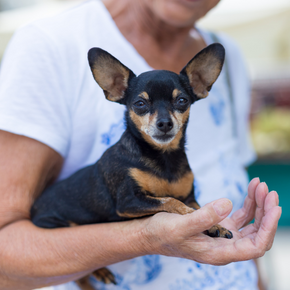
Vet Sarah Aldridge champions these 6 simple lifestyle changes for older dogs
As our pets get older their needs change. Head Vet Sarah Aldridge advises that dog owners will need to adapt their pet’s home environment, lifestyle, and routine to reflect these changes and give their pet the best quality of life in their senior and geriatric years.
Our veterinary team at Daventry Vets are highly experienced when it comes to treating senior pets and are here to help if you have noticed your dog struggling with mobility or simple tasks. Perhaps their behaviour has changed too?
Bring your dog in for a senior health check so our vets can see what’s going on and offer you practical advice.
Home & lifestyle changes for senior dogs
Adapting your senior dog’s home environment and routine is important to ensure their comfort and wellbeing. Sarah recommends implementing these 6 changes and lifehacks to help make life easier for them.
- Avoid any impactful exercise such as jumping and ball catching if your dog has osteoarthritis
- Add non-slip rugs (or anti-slip tape underneath existing rugs) to laminate/tiled floors to prevent slips
- Raise food and water bowls off the floor
- Add ramps to steps or flooring height changes where your dog may struggle
- Get good quality, supportive bedding – try memory foam
- Do little exercise more often, rather than fewer long walks
Now, let’s look at these points in more detail.
Exercise
Simple environment and lifestyle changes really can have a huge impact on your senior dog’s comfort levels, as well as their mental health. Exercising regularly can help to keep their joints moving and give their minds regular mental stimulation. Sarah recommends maintaining your dog’s level of exercise if they are able to do so. It’s better to split it into 2 or even 3 shorter walks if possible. Try to take them somewhere to get mental stimulation, up and down the road my not be as exciting as the woods or a park.
Swimming can be a great exercise for senior dogs as the warm water supports their joints and helps to strengthen muscles, whilst having a positive impact on their overall wellbeing. Talk to one of our experienced vets or nurses at Daventry Vets about how to get a vet referral for canine hydrotherapy and physiotherapy.
Flooring
Modern day houses often have laminate and tiled flooring which can be a slip hazard to many dogs. As well as causing injuries, pets can develop anxiety about walking across flooring. Using non-slip rugs and runners is a great way of helping to give your dog stability and better grip so those incidents can be avoided. Lifehack – you can buy anti-slip tape to go under rugs too.
Food & water bowls
Many dogs eat and drink from a bowl off the floor. This can put a lot of pressure on their front legs when leaning down and make it uncomfortable. Raising the bowls up helps to relieve the pressure off their legs and makes eating and drinking more comfortable.
Impactful activities
As well as impactful exercises, Sarah advises that it’s also important to consider the day-to-day activities that may be a concern. Activities such as going up and down stairs, jumping on and off the bed or settee, and in and out of the car, all put added pressure on a dog’s joints. Using ramps is a great way of still enabling your pet to do these activities but without the stress on their joints that can cause discomfort.
Comfortable bedding
Appropriate bedding can really make the difference between a comfortable or uncomfortable rest. Using a large flat bed is best for older dogs allowing them to stretch out. Memory foam beds usually give good support whilst being comfortable and are a great option for arthritic dogs. We recommend the Big Bed Dog Company. They are extremely knowledgeable and can help you choose the best bed for your dog.
For pets showing signs of incontinence, the use of toddler mattresses can be a great way of giving them comfort whilst keeping their bed hygienic.
Many of these simple changes really can make huge improvements to your dog’s comfort. However, different dogs have different needs based on their health, size, and activity levels.
Discussing your pet’s needs with one of the vets or nurses at our Daventry practice can help you identify more of these simple changes that can make a big difference.
Senior dogs & arthritis
Our team can also help you learn how to manage canine arthritis at home – a condition that affects most senior dogs. Speak to our team at Daventry Vets about the many resources that are available for arthritic dogs and the support we can offer to your pet and you – get in touch.
You may also find the Canine Arthritis Management website helpful as it has advice and products for arthritic dogs – visit it now.
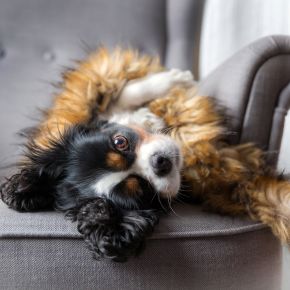
Fireworks – how you can help your dog keep calm
The team at Daventry Vets on Stephenson Close believe that it is never too early for dog owners to start preparing for the upcoming firework season. The bright lights and loud noises of fireworks can cause dogs an unprecedented amount of stress. To minimise your pet’s stress levels and to reduce the risk of them injuring themselves, and if you are concerned as to how your dog will react to fireworks, then we recommend you book an appointment at Daventry Vets to discuss what options are available to help your dog.
Contact us about calming products in advance
There are products you can invest in that work well at keeping dogs calm, however, as each dog is unique, it is important to discover what works for them. Examples of these are:
- Calming supplements – these promote relaxation and come in various forms, such as dog chews, tablets and liquids. They tend to use ingredients thought to contain calming properties such as chamomile, valerian root and L-theanine.
- Thundershirts – a vest that provides constant but gentle pressure to your dog’s body. This may have a calming effect, similar to a baby being swaddled. You can also spray Adaptil transport on a thundershirt, remember to leave it for 15 minutes before you put the shirt on your dog.
- Pheromone diffusers and sprays – these release synthetic, man-made pheromones mimicking the natural calming pheromones released by dogs. These diffusers will help to reduce their anxiety levels during firework season. Adaptil is the brand we recommend.
- Prescription medication – there are a number of different medications that could be prescribed by our team at Daventry Vets. Sedatives and anti-anxiety medication amongst others, can medically help to reduce your dog’s anxiety. These will need to be dispensed and their dosage prescribed by a vet who has examined your dog. Book an appointment with us at our Daventry surgery to discuss these.
As well as the products above, there are a number of different management techniques you can try at home to make firework season easier for your dog:
- Walk your dog during daylight hours and make sure they are snuggled up indoors when it goes dark.
- Create a safe space for your dog to hide when they’re feeling anxious. This could be a quiet corner of a room, away from a window and its essential they feel like they’re in control in this area. Once they take themselves to that area, do not interfere with your dog.
- Use their favourite toys/bedding/treats in this area so they start to associate positively with it and ensure they have access to it at all times.
- Muffle the sound of fireworks by shutting windows and black out the light flashes by drawing the curtains/blinds.
- Putting on the television or playing music in the background will help distract your dog – Classic FM’s pet classics is a hit for pets across the country, learn more about this here.
There are a number of different ways that owners can help their dogs during firework season, but our team of experienced vets can also advise and help when needed. Book an appointment with our team well in advance of any firework events in Daventry to give your pet the best chance at a calm firework season.
Contact us about pet calming products

Vet Sarah discusses the benefits of weight monitoring and body condition scoring
Pet obesity is a growing problem and unfortunately, in Northamptonshire we have our own overweight population of pets. To educate owners on how to keep your pet safe from the associated health conditions linked to being either underweight or obese, our Vet Sarah has compiled the following advice on monitoring weight changes.
If you are concerned your pet may be obese or struggling with their health due to their weight, do not hesitate to contact us at Daventry Vets so we can develop a realistic exercise plan and diet, tailored to your pet.
Book a pet weight check with our nurses
To help you right now, take a look at the Body Condition Scoring Chart for Cats and Dogs we use in clinic using the button below – this will help you to get a feel of where your pet’s weight currently lies. To get a proper diagnosis and weight-loss or gain program created, book a pet weight check with our nursing team.
Body Condition Scoring Chart for Dogs
Body Condition Scoring Chart for Cats
Your pet’s overall health
Sarah advises that any sudden change in your pet’s weight could be a symptom of an underlying health condition that needs to be investigated. Weight loss or weight gain both come with their own extensive list of associated medical conditions, but the most common ailments we treat are osteoarthritis and diabetes. Contact us to book an appointment with our veterinary team as soon as possible if your pet has suddenly experienced weight loss or weight gain.
Preventing obesity & early detection
Heart disease, joint problems and diabetes – if your pet is overweight, then the risk of these conditions affecting them becomes much higher. By taking preventative action and monitoring their weight, you can nip obesity in the bud and protect your pet from these life-threatening diseases. It also helps to detect any changes in your pet’s overall health early on, which could lead to them needing veterinary attention.
Feeding habits
Our team of vets at our Daventry clinic all see examples daily of pets who are consuming far too many calories and are not burning enough calories to stay at a healthy weight. There is also the opposite problem, with pets being in a calorie deficit with owners not understanding their pet’s nutritional needs.
Book an appointment to discuss your pet’s weight, diet and exercise regime to ensure they are staying as healthy as possible. Our advice will be tailored to your pet – for example, if they are a working dog then they may need a higher protein, higher calorie diet. If they are a house cat, their diet will need to reflect their activity levels. Daventry Vets can help you with this.
Our Vet Sarah believes that regular weight monitoring will not only help to avoid obesity and its associated health risks, but it will also help to ensure that your pet is receiving the correct nutrition levels to keep them happy and healthy. Contact us if you have any concerns about your pet by calling 01327 877767.
Body Condition Scoring Chart for Dogs
Body Condition Scoring Chart for Cats

Feline friendly advice for firework season
Calling all cat owners in Northamptonshire – firework season will soon be upon us, and early preparation is key to ensure that your cats stay calm. Our Vet Sarah has put together the following advice to help keep your felines feeling happy. Have a read of our latest article and don’t hesitate to contact our team to discuss cat calming products.
Get our advice on calming products
Our Vet Sarah knows that Bonfire night, Christmas and New Year’s Eve are all times of celebration, but pets can suffer from stress due to the loud noises and bright lights of fireworks. For any pets we see in the run-up to firework season, Daventry Vets offers the following tips:
1. Create a safe space
Creating a cosy, safe space for your cat in a quiet room will help them to hide when they feel scared. Use their favourite toys, blankets, cushions – anything that they seem attached to and ensure they have close access to a litter box, food, and fresh water.
2. Pheromone diffusers
Use pheromone diffusers in the room where your cat will be staying to create a calm environment. The diffusers contain a synthetic pheromone that is similar to a cat’s facial pheromone – Feliway is the brand we recommend, and it is available in a diffuser or as a spray. Chat to Daventry Vets’ reception team who will be able to advise you more on these.
3. Calming music
White noise or calming music helps to mask the sounds of the fireworks. Why not try classical music as this can be especially calming for cats!
4. Distract them with toys and treats
Provide your cat with interactive toys, puzzle feeders, and treats to keep them distracted and engaged. This will help them focus on something else rather than the loud noises outside.
5. Keep them indoors
Keeping your cat indoors more over firework season will prevent them from running away and getting lost. On an evening when fireworks are likely, make sure you check that all doors and windows are secure to prevent them escaping. This can also help reduce the noise from fireworks. Use treats or feed earlier to tempt them indoors before dark.
6. Chat to our team
If your cat is particularly anxious or stressed during firework season, talk to our vets at Daventry Vets about medications or other options to help keep them relaxed.
Always remember that what works for one cat, may not work for another. Each animal is unique, and their care should be tailored to them.
Contact our team today for more advice or to book a pre-firework season appointment for your cat. Alternatively, you can book an appointment online now.
Get more advice on calming products

Vet Sarah discusses why guinea pigs need companions
As social creatures, Daventry Vets believe it is best to keep guinea pigs living in pairs or groups to help mimic their natural behaviour. Not only will it improve their mental wellbeing, but they are less likely to suffer any physical issues linked to isolation. Our Vet Sarah discusses everything you need to know on guinea pig companionship in our article below.
Remember to share our tips – use the Facebook sharing button in this article or copy the URL above.
Register your guinea pigs with us
Companionship
Guinea pigs rely on social interaction to thrive. They will often groom each other, play, keep each other company – all of which will help them feel happy, safe, and secure in their home with you. As a minimum, Sarah recommends having a pair of guinea pigs to enable them to do all of these things.
Behaviour
By keeping a guinea pig on their own, you are confusing their natural behavioural development. Living with a companion helps the pigs to develop boundaries, whereas single guinea pigs will often become aggressive and in some cases, depressed and will self-harm.
Communication skills
Living with a companion or two will help your guinea pig to work on their communication skills. They use body language, scent marking and a range of vocalisations (such as squeaks and grunts) to communicate with other guinea pigs. Often, they will start to squeak at their owners as well!
Keeping them active
Living with companions also helps guinea pigs stay active. As a species, they need regular exercise – a companion can encourage play, stimulation, and exploration. This will help to keep them physically fit, reducing the likelihood of obesity and associated health issues, as well as mentally stimulated.
Overall, keeping guinea pigs in pairs or small groups is important for their physical and mental health. Our team at Daventry Vets on Stephenson Close are more than happy to advise if you are considering adopting a guinea pig – as it’s highly recommended to adopt two or more for company.
Male or Female groups
Female guinea pigs usually live together happily. A pair of male guinea pigs will often live happily together if they grow up together. If you wish to keep male and female guinea pigs together then we recommend castrating the male guinea pig before they are put together.
Remember to share this article with other guinea pig owners and contact us today for more advice on 01327 877767 or to register your guinea pigs with us.
Register your guinea pigs online

How clever is your dog? Take our test!
September is a busy time for many parents as they get their kids ready for another term of school homework and tests. But what about pet parents? Do you regularly ‘school’ your canine companions and test their intelligence?
Here at Daventry Vets, we understand just how smart dogs can be and not only that, most dogs are eager to learn and enjoy a challenge!
Our team have created the ultimate tests to really see just how clever your dogs are. Download our dog tests below:
Why not let us know how your dog gets on? Share some photos or a video on our Facebook page – our favourites will be shared with other pet owners in Northamptonshire!
Learning is fun!
Teaching your dog new tricks isn’t just good for boosting their cognitive skills, it’s also good for enrichment and fun. Dogs enjoy new challenges and pleasing their owners, especially for treats!
As well as our ‘not to be missed’ downloadable Clever Dog Tests, you might also like to spend quality time with your dog seeing how they get on with these skills:
- Basic obedience: Test your dog’s ability to follow commands such as sit, stay, come, and roll over. Dogs that are quick to learn and execute these basic commands are often more intelligent and trainable.
- Puzzle toys: Provide your dog with interactive puzzle toys that require problem-solving skills to access the treats or toys inside. Dogs that are able to figure out these toys quickly demonstrate good spatial awareness and cognitive flexibility.
- Social intelligence: Observe how your dog interacts with other dogs, animals and humans. Dogs that are able to communicate effectively and appropriately with others demonstrate strong social intelligence.
- Novelty response: Introduce your dog to new objects, sounds, or situations and observe how they react. Dogs that are curious and confident in new situations demonstrate strong cognitive flexibility and adaptability.
Remember that every dog is different. Some may excel with these tests whilst some may struggle – your dog’s uniqueness means that their intelligence can show in many different ways.
Use these tests as a fun way to play with your dog – don’t forget to download Daventry Vets’ PDF to share with other dog owners!
Do you agree with Daventry Vets’ favourite famous felines!
This month, we spoke to our nursing team at Daventry Vets to find out their favourite famous cats! Dominating films, television adverts and cartoons, the following kitties are firm winners in the eyes of Daventry Vets’ nurses.
Can you think of any other famous felines that didn’t make Daventry Vets’ list? Why not share your own favourite famous cats on our Facebook page?
Share your favourite famous feline
- Garfield – A comic strip and cartoon character who is known for his love of lasagne and sarcastic humour.
- Tom – A cartoon cat who is the main antagonist in the Tom and Jerry cartoon series.
- Bagpuss – A cat from a 1970’s animation series. When Bagpuss yawned and went to sleep all his friends did too.
- Felix the Cat – A cartoon character who was first created in the 1910s and has since appeared in various forms of media.
- Top Cat – A cartoon cat, who is the leader of a gang of Manhattan alley cats.
- Cheshire Cat – A character from Lewis Carroll’s ‘Alice’s Adventures in Wonderland’ known for his mischievous grin.
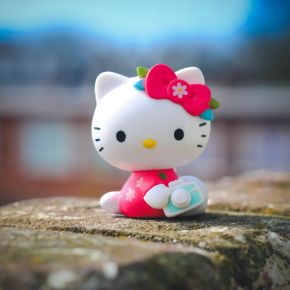
- Hello Kitty – A Japanese character created by Sanrio, known for her cute appearance and merchandise.
- Simba – A lion cub who is the main character in Disney’s ‘The Lion King.’
- Bagheera – A black panther who appears in Rudyard Kipling’s ‘The Jungle Book’ and various adaptations.
- Salem – A talking cat who appears in the television series ‘Sabrina the Teenage Witch. ’
Famous cats are fantastic and fun, and we hope they make you smile too!
Now, back to the most special feline of all… your cat! Remember to ensure their preventative healthcare is up to date and they are a healthy weight.
We can help with this so why not book an appointment for your cat with our team at Daventry Vets or contact us today for more advice?
Did we miss any off the list? Share who your favourite famous cat is on our Facebook page and make our nursing team’s day!
Share your favourite famous cat